May 9, 2026 | Jonathan Bird
Avoid These Traps in Your Last 5 Years Before Retirement
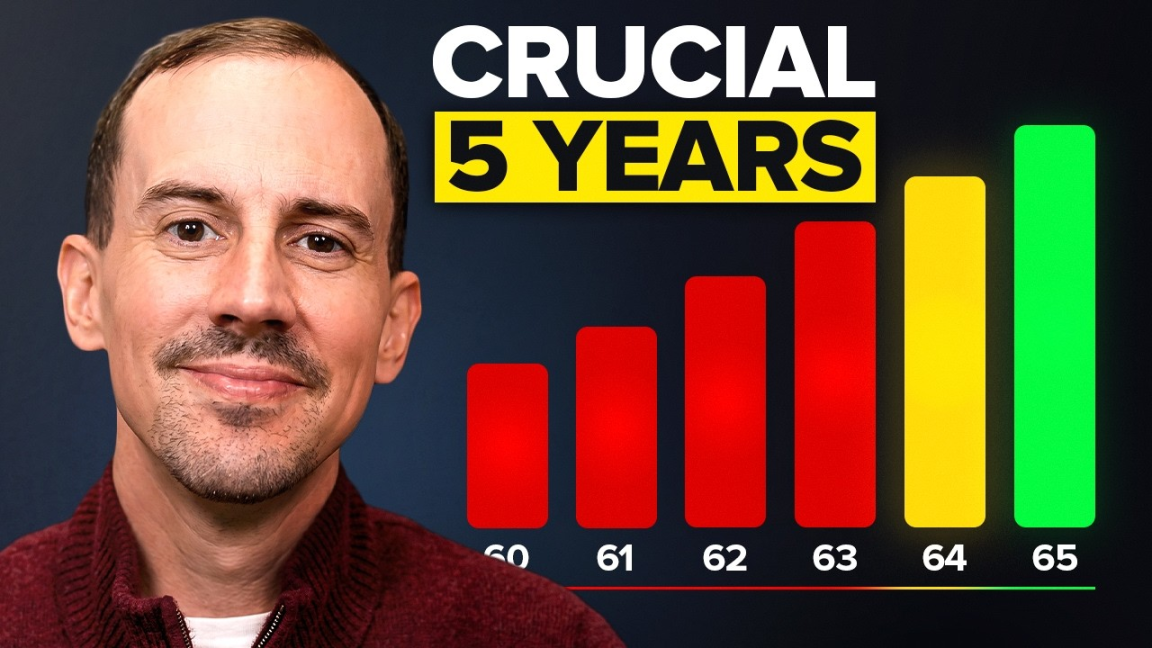
If you're less than five years away from retirement, you're in the most important financial window of your life. Not because it's the most risky — because it's the most powerful. The decisions you make in these next five years can have a greater impact on your retirement than the previous twenty.
Most people coast through this stretch thinking the hard work is done. It isn't. This is the point where a retirement plan either holds up or quietly starts to unravel — and you often don't realize which until it's too late. Here are the three moves that matter most, and why they only work if you make them now.
Why Your Old Strategy Becomes a New Risk
For your entire working life, market downturns were just an inconvenience. You didn't enjoy watching the market drop, but you stayed disciplined — kept contributing, kept buying, and participated fully in every recovery. The dips never permanently hurt you because your time horizon was long enough to ride through them.
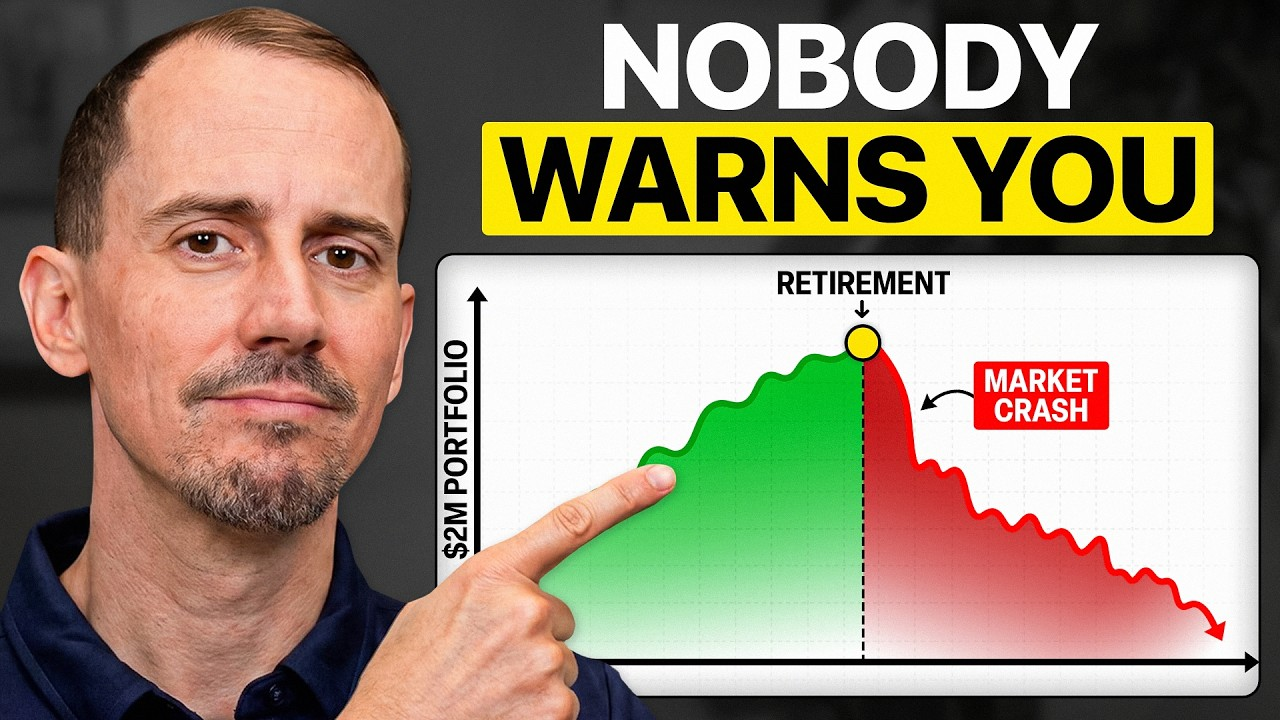
Retirement changes that completely. When the market drops, you're no longer buying at lower prices. You're selling at lower prices.
This isn't a small detail. The strategy that built your wealth over 30 years was exactly right for those 30 years — but carrying that same strategy into retirement can become one of the biggest risks you face. The five years before retirement are your opportunity to fix it.
Sequence of Return Risk: The #1 Threat to New Retirees
You don't need to remember the term. You need to understand the idea.
Imagine you retire and the market promptly drops 20–30%. You still need income — for the mortgage, food, travel, the lifestyle you planned. So you start selling investments to fund those expenses. But now you're pulling money from a portfolio that's down in value, locking in losses with every withdrawal.
When the market eventually recovers — in one year, two, three — the portfolio participating in that recovery is smaller than it should be, because you were selling at the worst possible time. That gap between what your portfolio could have been and what it actually is doesn't just sting once. It compounds in reverse, and it can permanently limit what you're able to spend for the rest of your life.
The Castle and Moat Strategy
Here's the framework we've used for years to build a retirement-ready portfolio.
The castle is your stock portfolio (and real estate, if you have it). It's where your long-term wealth lives and grows. It offers the best prospective returns and needs to keep beating inflation so your spending power holds up over decades. The rule: we don't touch the castle, even when it's under siege.
The moat is what makes that possible. It's your bond allocation — but not a generic "get more conservative because you're older" move. The moat is sized with precision:
- Determine how much you'll spend each year in retirement
- Determine your non-portfolio income — Social Security, pension, rental income
- Find the gap between the two. That gap is what the portfolio must fund
- Buy bonds that mature in time to fund that gap, year by year
If you know you'll need $80,000 from your portfolio in 2030, a bond maturing at the end of 2029 has that $80,000 ready to spend. When the market drops, you're not selling depressed assets — you're drawing from the moat while the castle recovers. Your spending doesn't skip a beat.
Margin of Safety: Plan for More Than the Average
When we stress test a retirement plan, we're not just asking whether it works if markets average 7% a year. We're asking: what if they don't? What if taxes rise, inflation runs hotter, and instead of living to 90, you live to 100?
Here's why this matters more in retirement than any other financial phase: you're not going back. Psychologically, professionally, practically — watching someone attempt to re-enter the workforce at 68 is one of the most brutal things I've seen anyone face. The option technically exists. In practice, nobody should have to use it.
How large your margin of safety should be varies person to person — it depends on your spending, your income sources, your longevity expectations, and how flexible your budget can be. There's no universal number. But there is a universal principle: you should know your margin of safety before you retire. Not hope. Know.
The Tax Window Nobody Talks About
Here's something that flies under the radar: your first three to five years of retirement may be the lowest-taxable-income years of your entire adult life. That window opens the day you retire — and often closes the moment Social Security begins. Three tools become unusually valuable inside it:
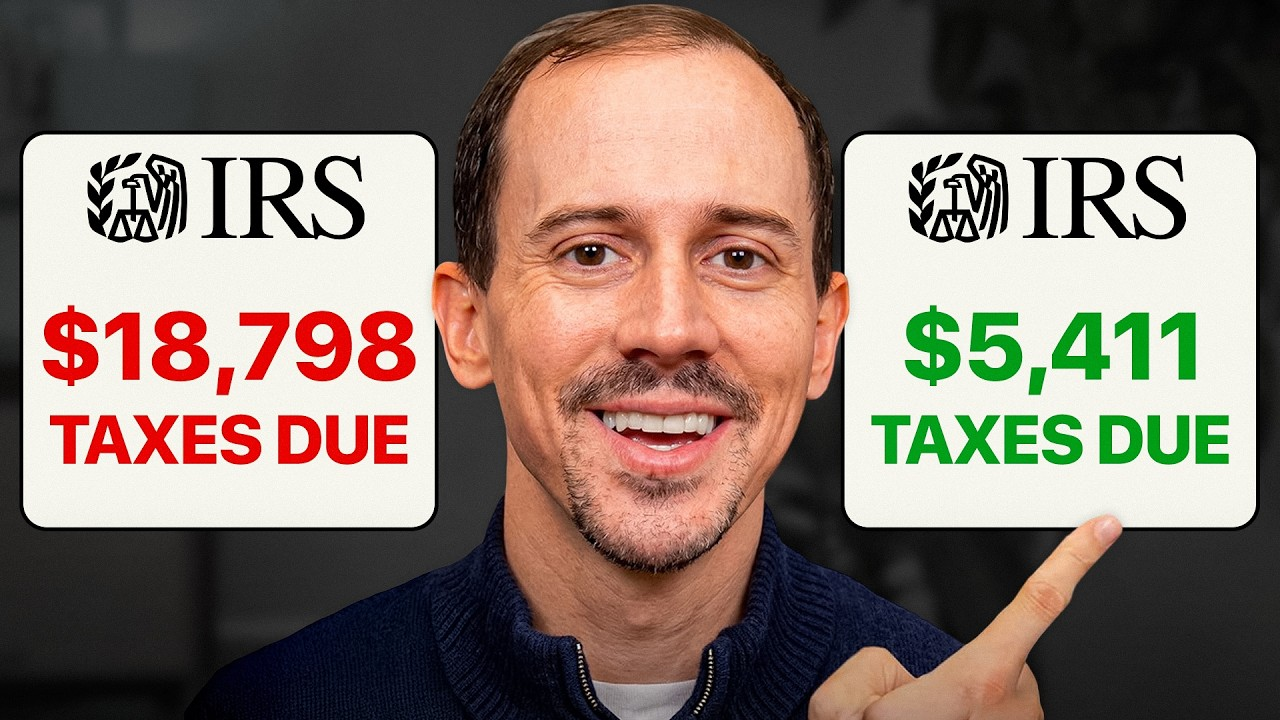
Roth conversions. Move money from your traditional 401k or IRA — money that's never been taxed — into a Roth account where it can grow tax-free going forward. The goal is locking in a low rate today (10–12%) to avoid potentially much higher rates later.
Tax gain harvesting. Stock held longer than a year in a brokerage account may qualify for the 0% long-term capital gains rate if your taxable income is low enough — meaning you could potentially recognize tens of thousands in gains and pay nothing in federal tax.
Spending order. The sequence in which you draw from your 401k, Roth, and brokerage accounts matters enormously. Vanguard research found investors could potentially add up to 1% of portfolio value per year simply by being strategic about withdrawal order.
None of these tools is complicated alone. The power — and the difficulty — is that they all interact with each other, and with bigger decisions like when to claim Social Security and how to structure the portfolio.
Social Security Is a Portfolio Decision, Not an Income Preference
Most people frame Social Security as a personal preference: do I want my money sooner or later? That's the wrong framing.
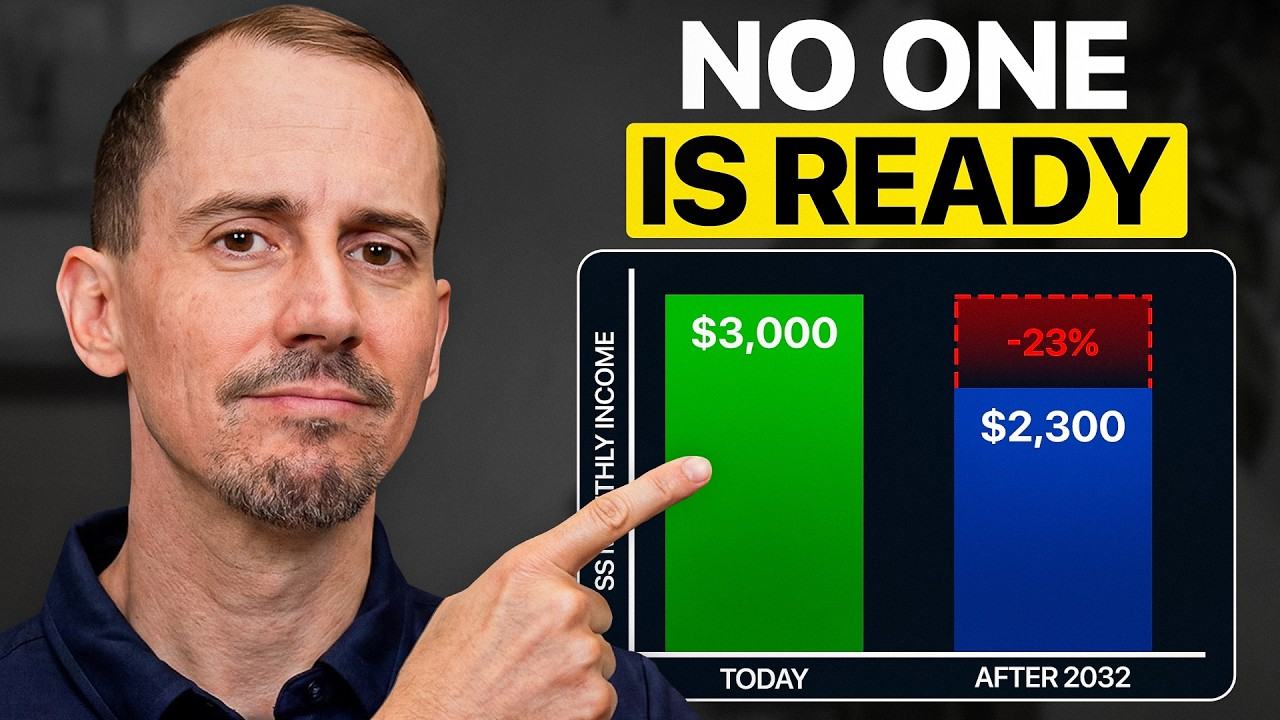
Every year you delay claiming past your full retirement age (67 for most people), you earn delayed retirement credits worth roughly 8% per year. Defer from 67 to 70 and that's a 24% raise on your benefit — for life. And if you pass away first, your surviving spouse can carry that higher benefit forward.
Here's why this connects directly to sequence of return risk: the larger your Social Security benefit, the smaller the permanent gap your portfolio has to fund. That takes pressure off the portfolio for good — and significantly reduces the chance that a market downturn ever touches your lifestyle.
Timing Social Security isn't one-size-fits-all. It depends on your health, your longevity expectations, and your portfolio's ability to bridge the years before claiming. But it has to be decided as part of the whole plan — not in isolation.
The Bottom Line
Sequence of return risk, margin of safety, and the tax window all interact. The five years before retirement are your one chance to get all three right while there's still time to act.
Most people coast through this window believing the hard work is behind them. The ones who don't — who restructure the portfolio, size their margin of safety deliberately, and plan the tax window before it opens — are the ones whose retirements hold up no matter what the market does in year one.