May 1, 2026 | Jonathan Bird
The Real Retirement Crisis Isn't Running Out of Money — It's the Opposite
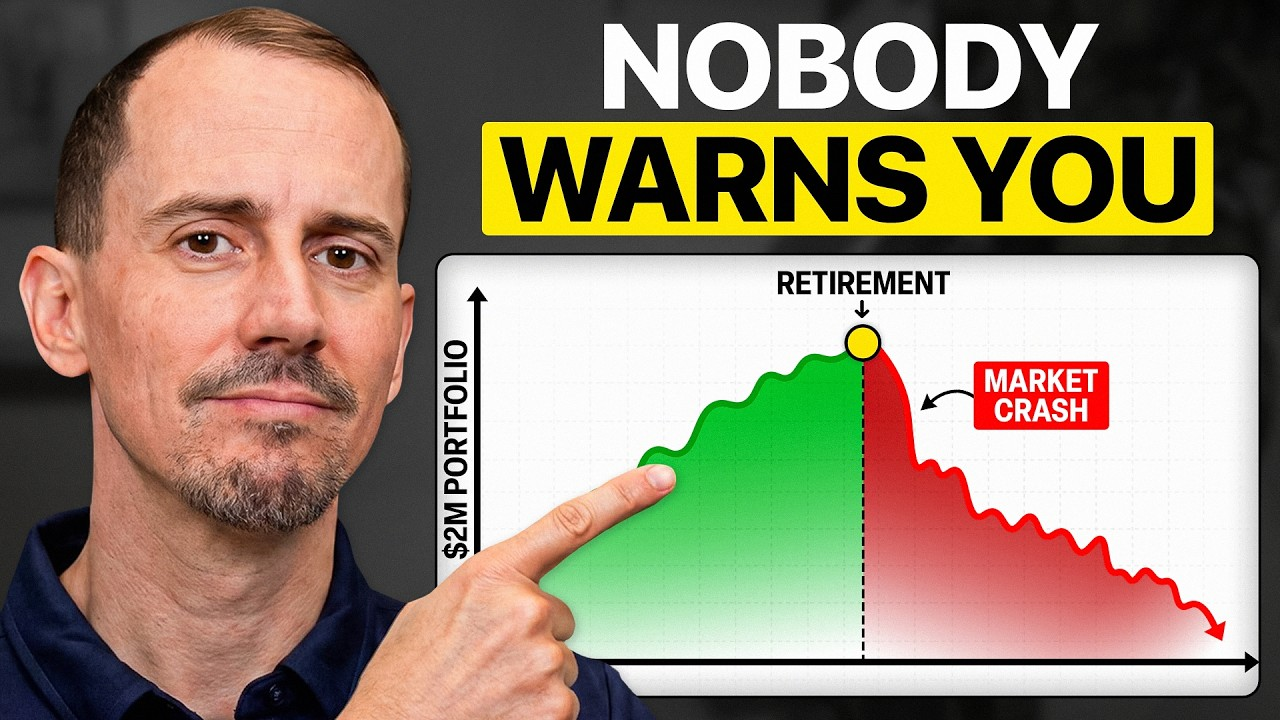
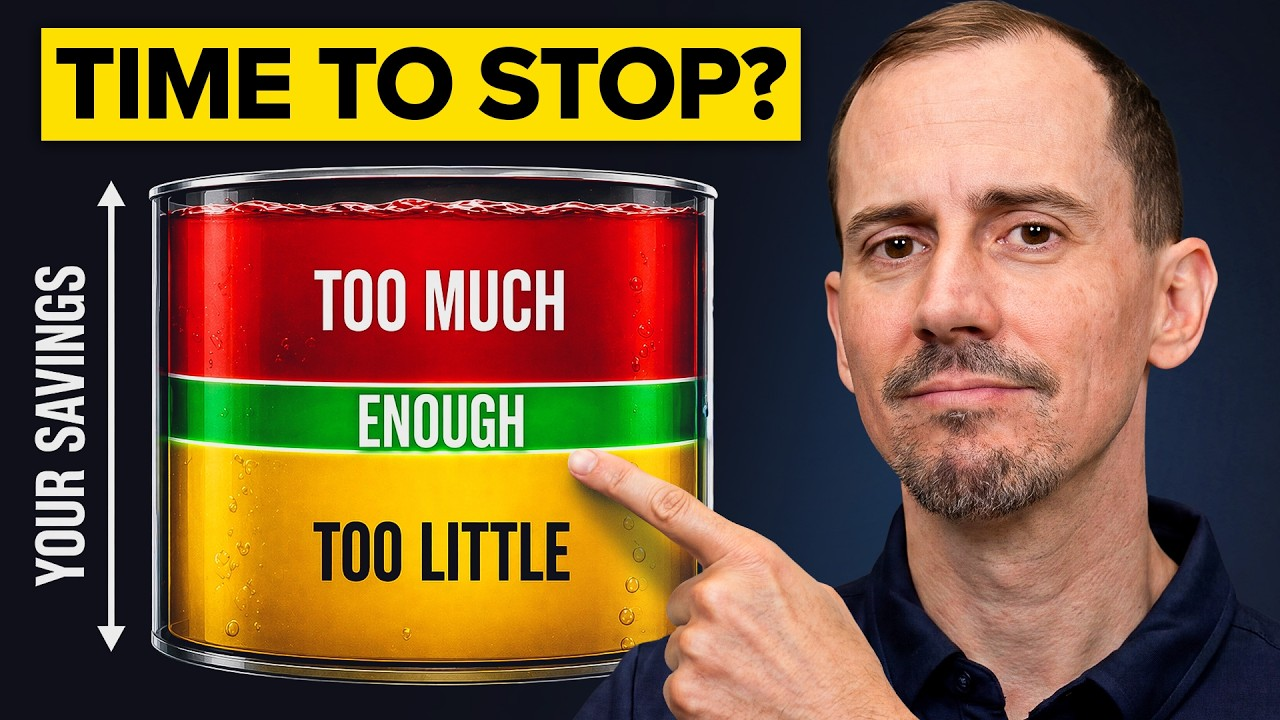
Here's something that should completely change how you think about retirement: the average retiree finishes their retirement with three times as much money as they started with.
Three times. After 30 years of spending, healthcare bills, travel, and grandkids' birthdays.
Which means the retirement crisis most people fear — running out of money — isn't the most common outcome. The most common outcome is the opposite: people dramatically underspend what's available to them. They end up with too much money and too little time to use it.
If the biggest risk isn't running out of money but running out of time, the way most people approach retirement needs to change.
Why Most People Never Find Their Finish Line
When most people start saving for retirement, they find an advisor or broker to help grow their money. And often, that person never sits down and says: here's your number, here's how much you need, here's when you can stop.
My dad was in that exact situation. He had a broker for decades — a decent one, who picked reasonable investments and grew the portfolio over time. But growth isn't a retirement plan. What my dad got was the feeling of progress without any vision of a finish line. So he defaulted to what anyone does when no one shows them where the finish line is: keep earning, keep saving, keep going.
That circumstance isn't unusual. It's the norm. And you may be doing it right now.
Ask yourself honestly: is the number you're saving toward based on your desired spending and the actual length of your retirement? Or is it a number you think will make you feel ready when you get there?
Here's what I've found over and over: people chase a number that they believe will produce a feeling of readiness. Then they hit the number — and the feeling never arrives. The truth is that retirement readiness isn't a feeling. It's a calculation. And it can be run years, even decades, ahead of time.
Marcus and the Marijuana Stocks
A few years ago I got on a call with a man named Marcus who wanted to talk investment strategy. Before I could even get to know him, he was firing off questions about marijuana stocks, cryptocurrency, NFTs.
I finally paused him and asked why those investments specifically. His answer was candid: "I've heard these could be the highest-return investments, and I need to earn enough to retire."
So I asked the question that changed the whole conversation: How much do you need to retire?
Silence. He didn't know. He'd never calculated it.
So that became our next step. We pulled up financial planning software and entered everything — income, expenses, debts, assets. Here's what the plan showed: Marcus had already saved $1.2 million. He needed $850,000 to retire.
He had already made it.
And here's the remarkable part: his interest in speculative investments melted away instantly. All that risk appetite wasn't really about returns — it was about an uncalculated fear that he didn't have enough. The moment he saw the actual number, the chase was over.
The "One More Year" Math Problem
The reason people don't run this calculation is a hidden belief carried from the start of their careers: more is always safer.
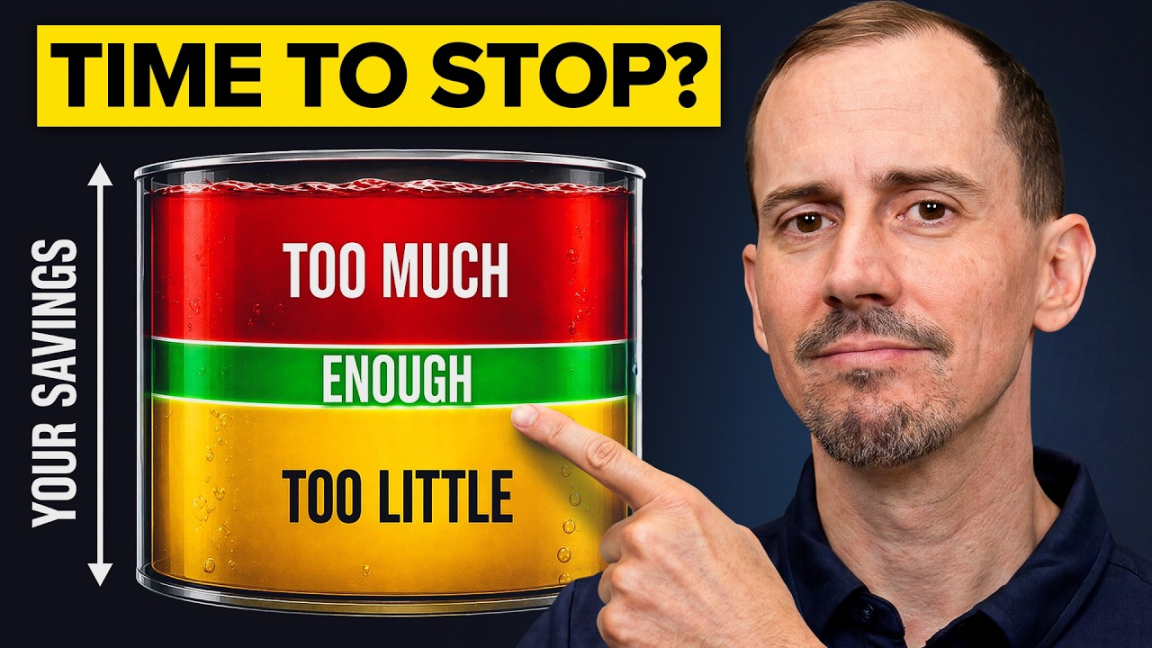
Say you're at $1.5 million right now. The numbers say you could retire. But you tell yourself: one more year, and when I hit $2 million, then I'll feel ready. So you work another year. Or two. Or three.
But ask the harder question: how much does that extra $500,000 actually change your retirement? Does the lifestyle you want — the travel, the hobbies, time with family — actually require it? Or is what you have already enough?
For many people in this range, marginal dollars are functionally worthless. Past a certain point, more money doesn't improve your retirement lifestyle. It just increases what eventually passes to your beneficiaries.
Michael Kitces — one of the most respected researchers in retirement planning — studied retirees using the 4% withdrawal rule and found that the median retiree following it ends up with roughly three times their starting wealth.
So consider what that means. The years between 60 and 65 aren't earning years. They're healthspan years — when your energy is high and your body can still do exactly what you want it to do. When the trip to Japan isn't theoretical. Working through them means trading your best remaining years for money you may never spend and don't need.
That trade is not as safe as it sounds.
The Healthcare Objection
The most common pushback at this point: what about healthcare before 65?
It's the right question. But it's a planning problem more than a money problem. The solution is to model it explicitly — pre-Medicare costs through COBRA, a bridge plan, or an ACA policy, then Medicare costs after 65, with real timelines and real numbers attached.
Those costs can be significant. But once they're written down and you can see their actual effect on the portfolio, healthcare transforms from an obstacle blocking retirement into just another line item to be addressed. That shift matters more than people expect.
When the Numbers Work But You Still Feel Stuck
Here's the part that has nothing to do with money — and it may be the most important.
Even after the portfolio math clears and healthcare is modeled, people still hesitate. There's a phrase I keep coming back to with clients in this position: we would rather fail conventionally than succeed unconventionally.
Think about what that means here. Working until 65 — even if it means trading three to five years of healthspan for money you won't spend — is the norm. It's expected. No one will question it.
But retiring at 60, or 55, even when you've done everything right and the numbers fully support it? It feels unconventional. It feels like a risk. Almost like you're cutting in line — doing something you're not supposed to do.
The people who fall into this trap aren't careless. The opposite: they're the ones who did everything right, which is exactly why they can afford to stop. But here's the reality nobody tells you: doing everything right doesn't automatically grant you permission to retire. Society doesn't hand out an award for reaching financial independence. Your employer isn't going to throw a party and say, "You've made enough — now go enjoy your life."
The onus is on you. The final decision isn't financial. It's a permission structure — you saying to yourself: I understand my numbers. I know where my finish line is. And I'm choosing to cross it.
The clients who do this well aren't the ones chasing a number that feels right. They're the ones who built a real plan, learned what they actually need, and gave themselves permission to act on it.
That's the difference between planning your retirement and falling into it.
The risk everyone focuses on is running out of money. The risk most people don't see until it's too late is running out of time.