April 4, 2026 | Jonathan Bird
Why Retiring at 65 May Be the Biggest Financial Mistake You Never Questioned
When did you decide you were going to retire at 65? Not when a friend mentioned it or when you read it somewhere — when did you actually sit down and choose that number?
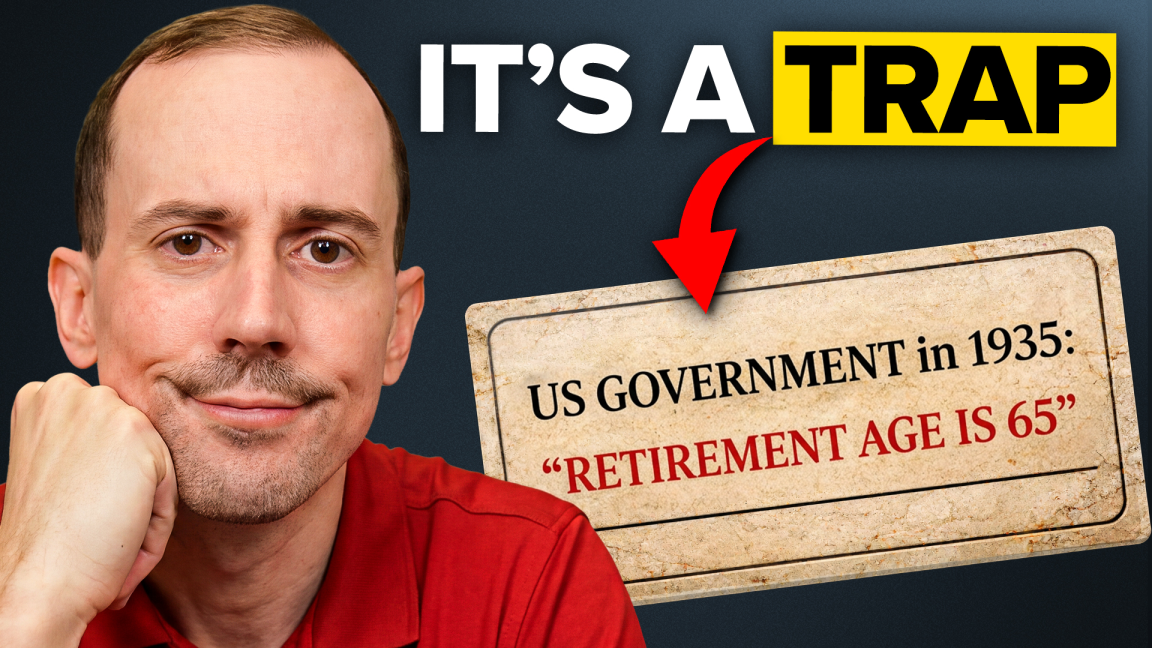
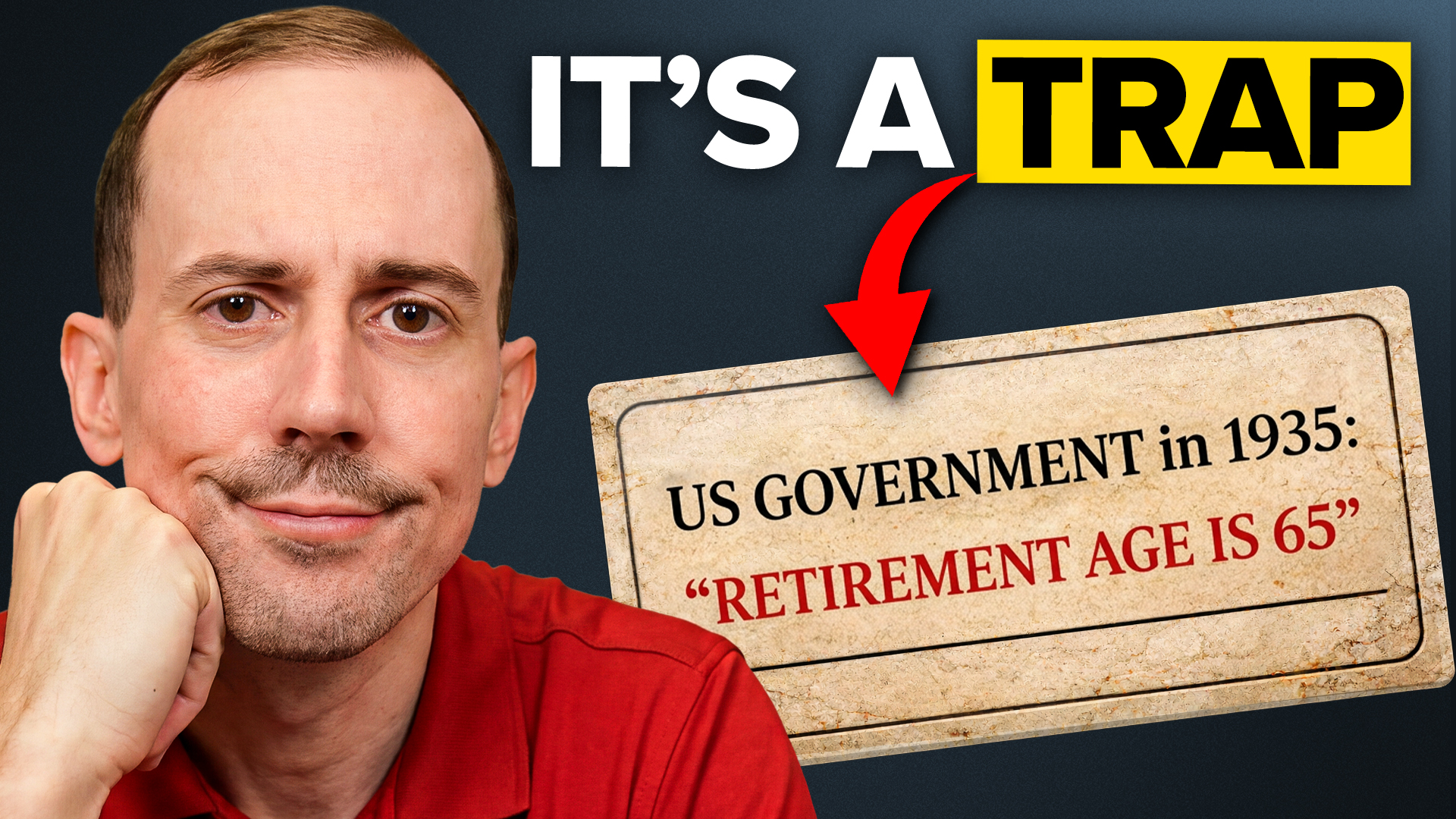
For most people, the honest answer is: they didn't. Age 65 was handed to them. And it was handed to them by a government program invented in 1935, back when the average American wasn't expected to live long enough to collect it.
Ninety years later, tens of millions of people are still defaulting to that same retirement age without ever questioning where it came from.
A Brief, Uncomfortable History
When the US government set the Social Security eligibility age at 65 in 1935, average life expectancy for an American who survived childhood was around 77. Social Security was designed to kick in roughly 12 years before most people could expect to die. It was a safety net for the very end of life — not a funding mechanism for three decades of golf.
Then in 1965, Medicare launched. Same age: 65. Suddenly two major programs began at the same point, and people naturally started anchoring their entire retirement plans around when those benefits became available. Not around what they actually wanted. Not around what made sense for their life. Around a bureaucratic coincidence.
Some nameless actuaries who made calculations in 1935 and 1965 are still, in effect, running the retirement plans of tens of millions of Americans today. That's bonkers.
To be clear: there's nothing inherently wrong with retiring at 65. The problem is retiring at 65 without ever asking whether that's actually what you want — or whether you're simply following a default that was designed for a completely different world.
What Nobody Tells You About the Finish Line
Working with clients who spent 30 or 40 years building toward a traditional age-65 retirement, I've watched the same unexpected thing happen again and again. The transition from working 40-plus hours a week to being fully retired is one of the hardest life transitions a person can make.
The routine disappears. The social connections evaporate. The sense of purpose — which most people never realized was tied so closely to their work — goes quiet. Research suggests most retirees experience some sense of loss in those first few years, and rates of depression and anxiety can rise significantly. Nearly half of retirees say they'd prefer to keep some level of work going, just to maintain social connection and a sense of meaning.
There's also a deeper issue that rarely gets named: we spend our 20s, 30s, and 40s saving for our lowest-energy years. We delay the travel, the passion projects, the actual living — banking it all for a version of ourselves that may look and feel quite different by the time 65 arrives.
A Different Way to Think About This
What I want to offer isn't just "retire earlier." It's something more fundamental: design a life that includes work you don't want to escape from.
Instead of grinding through a job you'd leave tomorrow if you could, the goal is to gradually shift toward work that actually fits who you are — something you'd do even if no one was paying you, or at minimum something you can look forward to on a Sunday night. Not an overnight career explosion. A slow, deliberate movement in a better direction.
What tends to happen when people do this is interesting. Because they genuinely care about what they're doing, they often get better at it over time. And because they're no longer constrained by an employer's salary ceiling, their income can grow in ways it couldn't before — sometimes earning more than they did in their traditional career, while working less.
My sleep apnea doctor is one of the best examples I've encountered. Gray-bearded, clearly could have retired years ago. When I asked him how long he planned to keep working, he looked at me like I'd asked a strange question. "Every day I meet new patients and help them solve a problem that was affecting their life. Why would I stop?" He's not working for the income. He has a reason, guided by his heart, to keep going.
What the Numbers Can Look Like
To make this concrete, consider two versions of the same couple — Kate and Ryan Mercer.
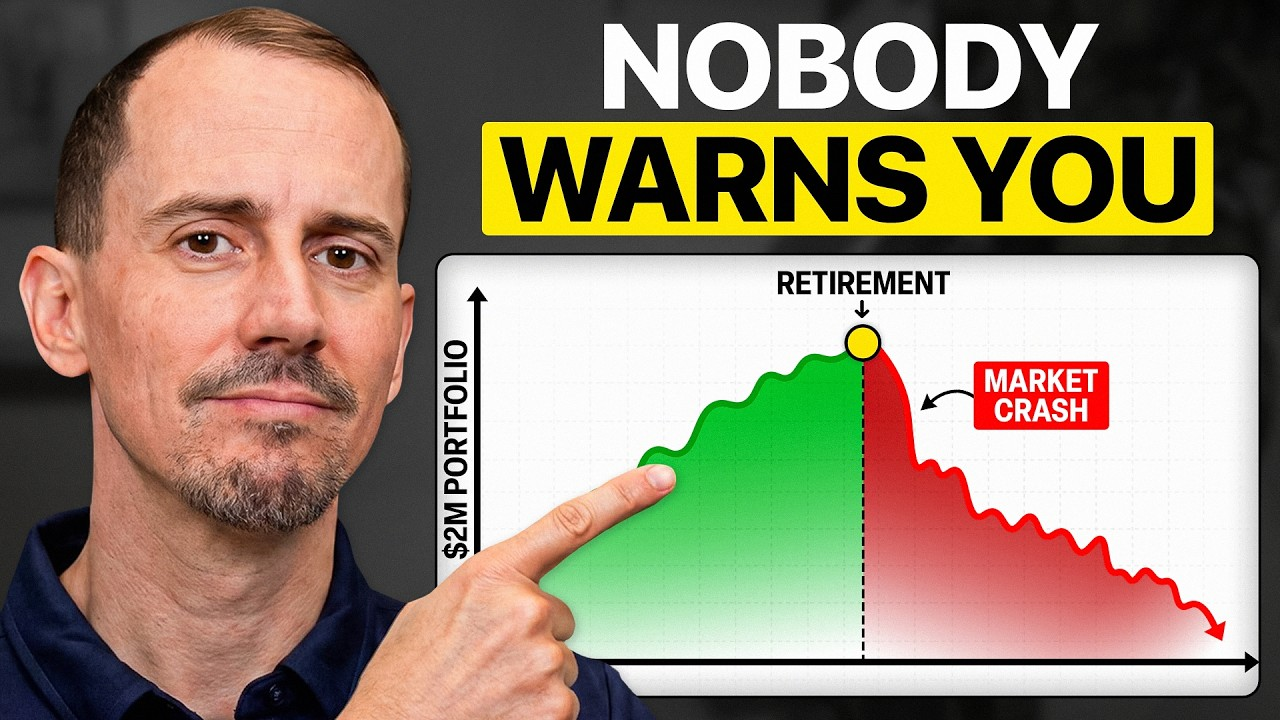
The traditional route: Kate and Ryan work until 65, accumulate around $1.6 million, and retire fully. Their portfolio immediately has to shoulder the full burden of their expenses — withdrawing $128,000 or more per year. This is manageable with careful planning, but it means the portfolio is under constant pressure. A market downturn early in retirement introduces real stress around spending and recovery timing.
The alternative: Kate and Ryan shift at 50. Kate leaves her corporate job and starts her own practice, earning somewhat less but doing work she controls. Ryan moves to a role he actually enjoys, also at a lower salary. They spend the same amount. But here's what changes: they only needed around $760,000 saved to make this transition — roughly half the traditional target. And because they're still generating income they enjoy earning, the portfolio barely needs to be touched.
Kate continues working until 75 — not because she has to, but because she wants to. By the time they reach the same age as their traditional-route counterparts, their portfolio has grown to around $3.5 million.
Two important factors drive that difference.
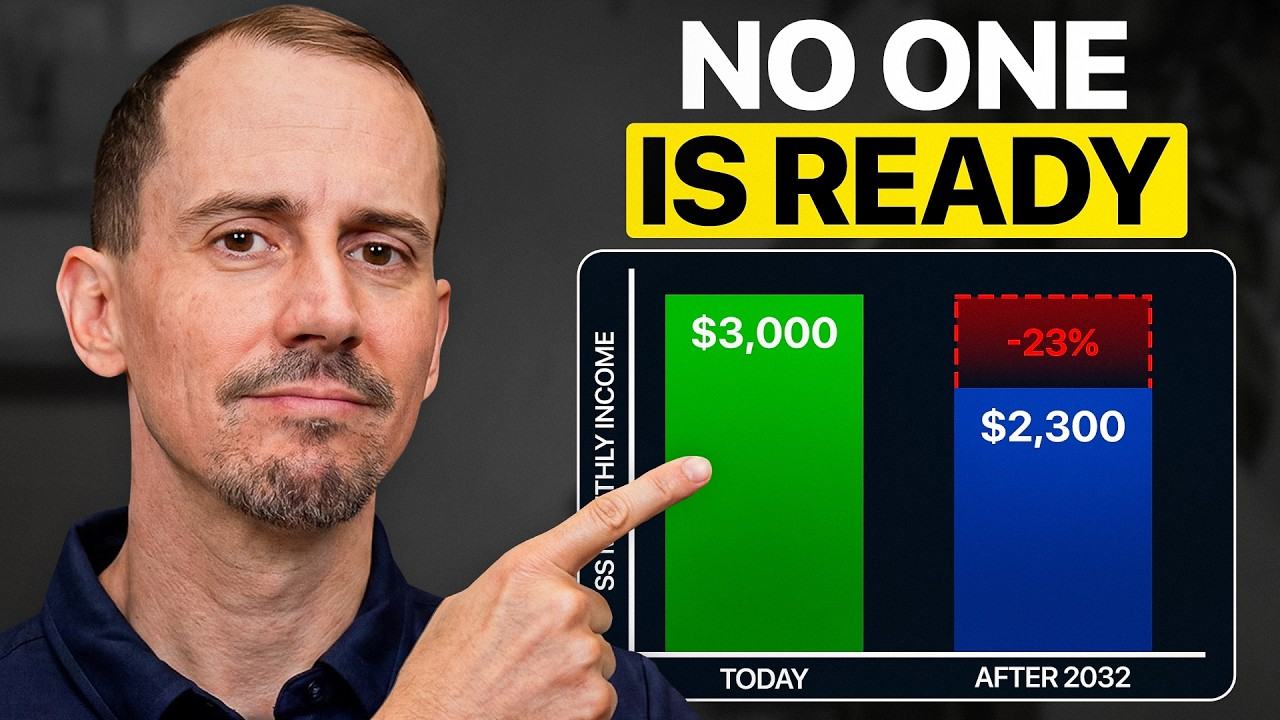
Social Security timing. Every year you defer taking Social Security past full retirement age — currently 67 for most people — may add roughly 8% to your lifetime benefit, up to age 70. Waiting those three years could mean a 24% higher monthly benefit for the rest of your life, and if you pass away first, your spouse can inherit the higher amount. Continuing part-time work through your 60s may make it easier to defer and potentially capture that larger benefit.
Portfolio allocation. Because Kate and Ryan aren't pulling heavily from the portfolio, they may be able to maintain a higher stock allocation — potentially around 80% — without it threatening their retirement. In the traditional model, a 60/40 allocation is typical because the portfolio needs to be more defensive. The lower withdrawal pressure in the alternative model may allow for more growth-oriented positioning over time, which could contribute to meaningfully better long-run outcomes.
The Real Question
The question was never really should I retire at 65? That question is a distraction.
The real question is: am I designing my life, or am I following a default?
The default was built in 1935 for a different economy, a different life expectancy, and a completely different relationship between work and identity. It has nothing to do with your specific situation.
The people I've worked with who tend to get this right aren't necessarily the ones who retire earliest or latest. They're the ones who built a path around their own personality, values, and what they genuinely love doing. That's the difference between planning your retirement and inheriting someone else's.
It's not wrong to retire at 65. It is worth questioning why.