January 31, 2026 | Jonathan Bird
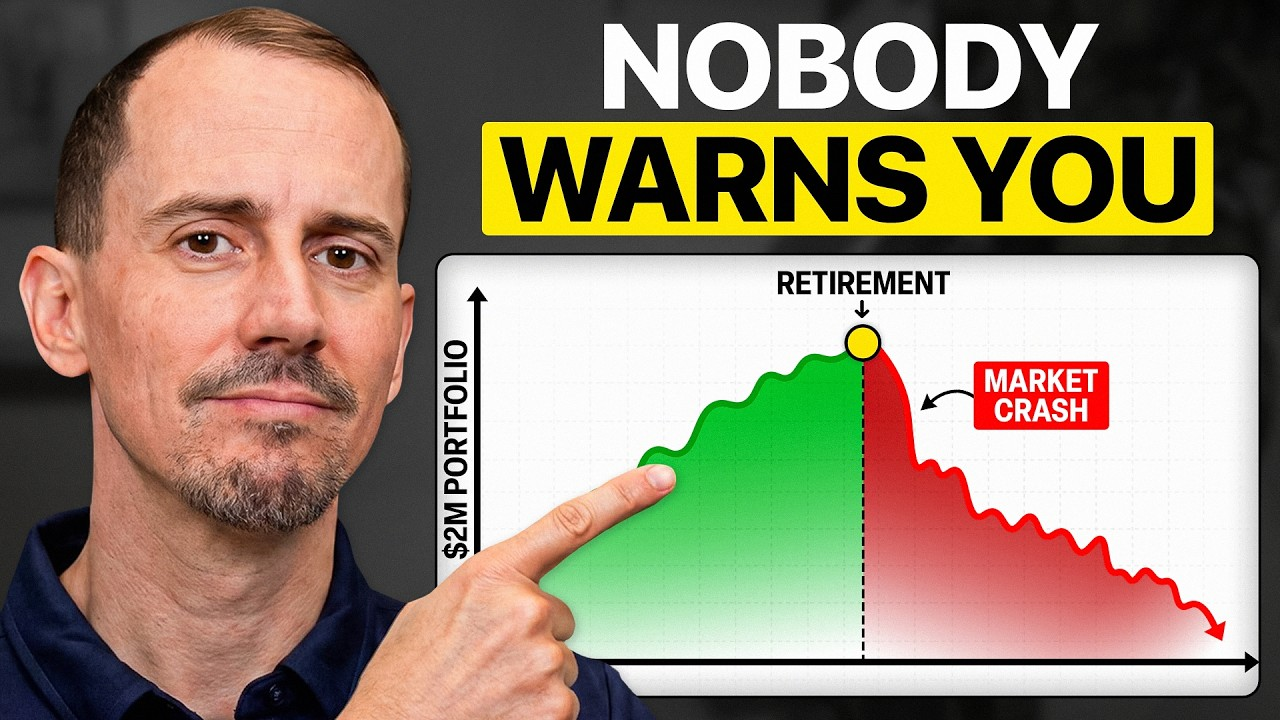
For a lot of people, $2 million feels like crossing the finish line. And in many ways, it is. You can travel, spend comfortably, gift to family, and stop losing sleep over your portfolio. But here's what almost nobody talks about: everything changes at this level — and if you're not prepared for that shift, it's surprisingly easy to make the wrong moves.
Here's what actually gets better, and what quietly gets harder.
What Gets Better
Runaway Wealth
For most retirees, the longer they live, the smaller their portfolio gets — and the greater the anxiety that comes with it. At $2 million, the dynamic flips. You can draw comfortably from your portfolio, maintain your lifestyle, and still watch your net worth grow year after year. That's not a minor upgrade. It's the difference between a retirement defined by scarcity and one defined by security.
Autonomy
Financial independence means you control what you do, when you do it, where you do it, and who you do it with. One client hit $2 million and kept tolerating a boss who pushed him harder every quarter for better sales numbers. When I reminded him he had the power to walk away, he didn't believe me. The following quarter, he did exactly that. His parting words: "Jonathan, I don't have a job anymore. Can you guess what I am now? Retired." That's what autonomy actually feels like.
Lifestyle
With $2 million saved, you can comfortably spend around $115,000 a year while keeping the portfolio growing for your heirs. If you'd rather spend more aggressively and draw down the portfolio over time, that number climbs closer to $145,000. One couple I work with now splits their year between Phoenix in the winter and Chicago in the summer — golfing, boating on Lake Michigan, doing exactly what they want. They also pay for a house cleaner and a weekly meal prepper. They've stopped doing the things they don't want to do.
Legacy
Legacy doesn't have to mean an inheritance after you're gone. One client watched his kids accumulate significant student loan debt through graduate school and asked himself why he was sitting on money he didn't need when he could make their lives easier right now. He started making their loan payments. That's one of the most satisfying outcomes I get to witness as an advisor — not just the client thriving, but the next generation benefiting from it too.
What Gets Harder
The Mindset Shift
You've spent years — maybe decades — building the habits that got you to $2 million. Aggressive saving, controlled spending, always accumulating. The problem is those same habits stop serving you once you've arrived. They actually work against you.
I had a client who had been maxing out his 401k — over $30,000 a year including catch-up contributions — long after he needed to. When I told him he could stop, he was genuinely confused. He said it just felt wrong not to keep going. So I reframed it: "That $30,000 sitting in your 401k could be in your checking account funding the trip to Japan you've been talking about for years." He paused. Then: "Damn it. You're right. Japan sounds a lot better than 401k contributions." The math was obvious. Turning off the habit wasn't.
Identity and Purpose
Careers don't just provide income — they provide identity, status, and structure. Losing that without a plan for what comes next is more disorienting than most people expect. A pilot client came to me wanting to know how soon he could retire — he was done flying. After 90 minutes working through his finances, I told him he could retire that day. His response? "Nothing different for now." Six months later, he was still flying. Not because he needed the money, but because he hadn't figured out what his post-pilot life actually looked like.
Complexity
A study led by Vanguard found that the proper asset spending order, the strategy you use to pull from different account types in retirement, could save investors up to 1.1% of their account value per! With $2 million spread across a traditional 401k, a Roth, and a brokerage account, the tax rules across each bucket are completely different. Managing what to draw from, in what order, and with which investments becomes genuinely complex — especially once you've retired and need the portfolio to behave differently than it did during accumulation.
Tax Planning
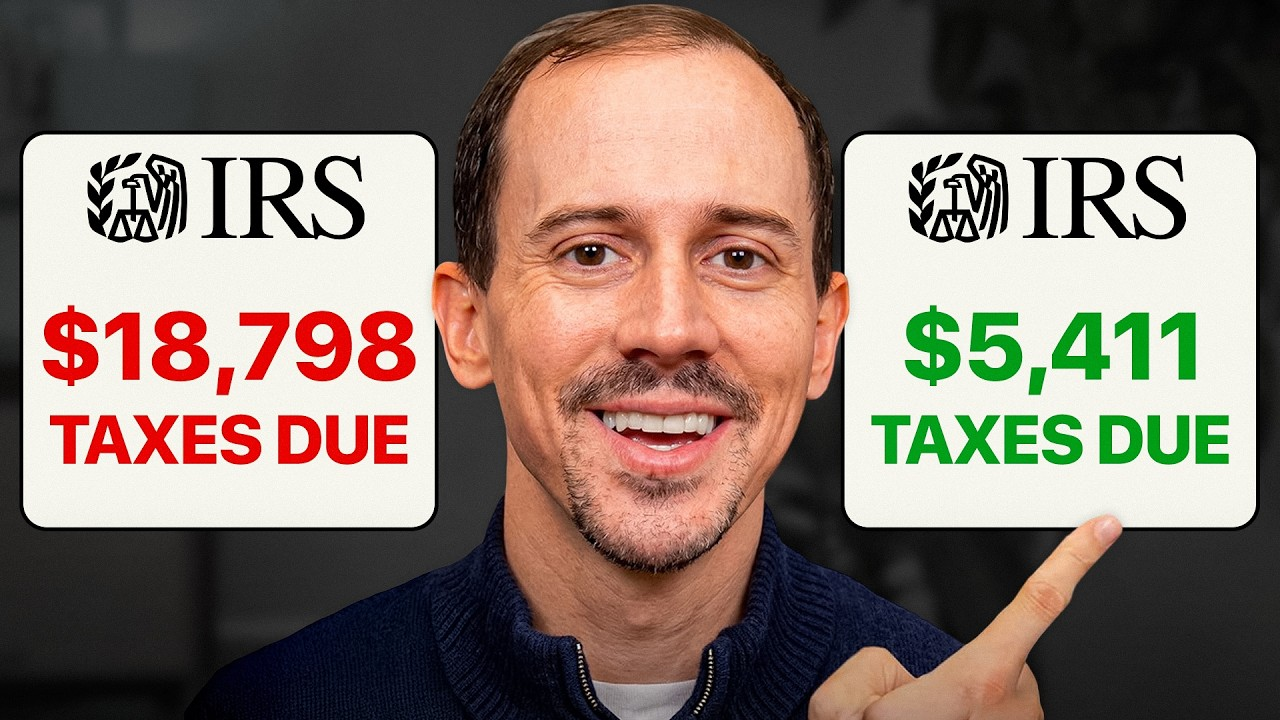
With multiple income sources, pulling from the wrong accounts at the wrong time can trigger an unnecessarily large tax bill. But the flip side is also true — early retirement often creates a window where your income drops significantly, opening up real opportunities. That gap is the ideal time to convert traditional 401k or IRA funds into a Roth, where the money grows tax-free forever.
Asset location matters enormously here too. A plastic surgeon I worked with had all of his stocks inside his 401k and his high-yield bonds — generating over $60,000 of interest a year — sitting in his taxable brokerage account. Simply swapping their locations cut his annual tax bill by over 80%. He'd never thought about it. Most people haven’t!
Protecting What You've Built
Warren Buffett said it best: you only have to get rich once. From there, it's about staying rich.
The most dangerous trap I see at this level is concentration risk — putting too much into a single stock or business. One client had over $3 million concentrated in a regional oil stock he believed was undervalued. He then borrowed against his Schwab account to buy more and amplify his returns. The stock dropped over 50%, triggering a margin call he couldn't meet without selling — locking in the loss at the worst possible moment. A portfolio that took decades to build was decimated in months.
The principle worth keeping close: why risk what you have and need for what you don't have and don't need?
Liability Risk
With $2 million in assets, you have a lot to lose. 401k and IRA assets are typically protected by state law from lawsuits. Brokerage accounts are not. If your homeowners and auto insurance policies cap out, that brokerage account is exposed.
The fix is simple and cheap: an umbrella policy. A $1 million umbrella policy typically runs $400–$450 a year. For the peace of mind alone, it's one of the easiest financial decisions you'll ever make.
Hitting $2 million is a genuine milestone. But the biggest risk once you get there is spending the rest of your retirement working for your portfolio instead of letting your portfolio work for you. The people who get this right aren't just the ones who saved the most — they're the ones who made the transition thoughtfully.