February 20, 2026 | Jonathan Bird
Early retirement isn't luck, and it isn't about extreme frugality or stock tips. It's about building a system — one that works even when your motivation doesn't. Here's the 10-step framework we use with real clients to make retiring a decade early not just possible, but predictable.
Step 1: Define Your Ideal Outcome
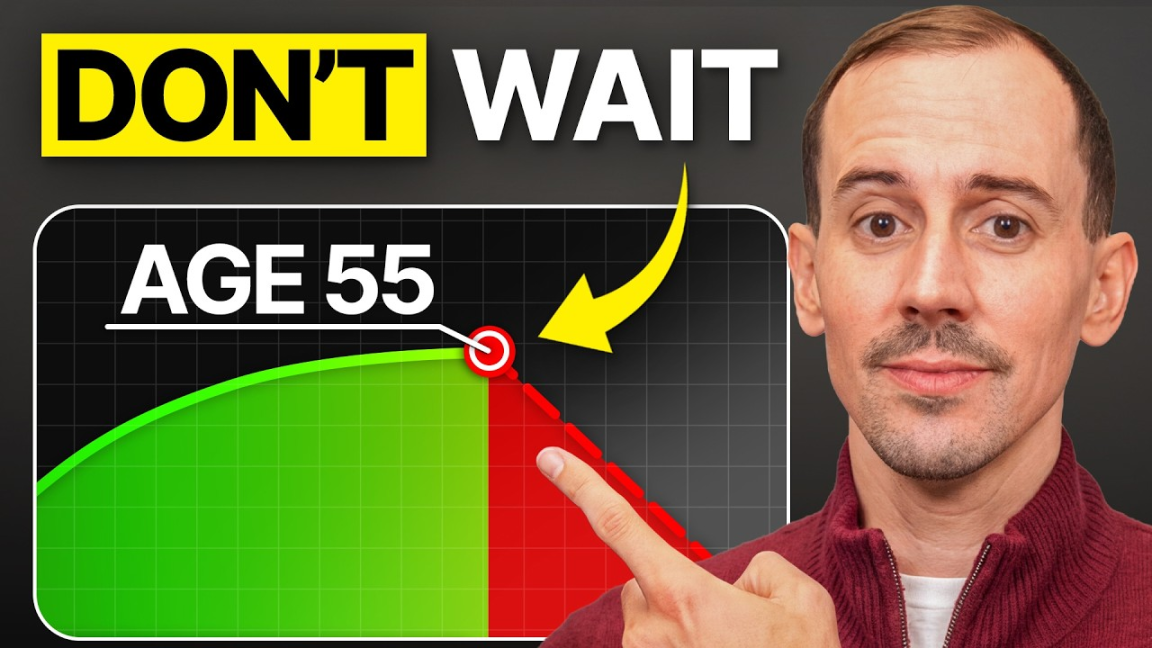
Start simple. Pick two numbers: the age you want to retire, and how much you want to spend each year. Don't get lost in the details of where you'll live or what inflation might do. A real couple — both 40, earning $180k combined with $600k saved — nailed this in minutes: retire at 55, spend $100k a year. That clarity drives everything else.
Step 2: Set a Monthly Savings Target
Once you know your goal, reverse-engineer it into a monthly savings number. That same couple needed to grow their portfolio to $1.67 million by 55, accounting for 2.5% inflation. With Social Security of $145k/year expected at 67, their monthly target came out to $4,600 — split evenly between them. Automate it. Willpower fades; systems don't.
Step 3: Adjust Your Spending
After automating savings, see what's left — and cut lowest-priority spending if needed. But don't assume you need to cut at all. One client discovered he was over-saving, dialed back his 401k contributions, and bought himself a 2013 Porsche 911 with the surplus. The goal is saving the right amount, not as much as possible.
Step 4: Use the Right Accounts in the Right Order
Order matters here:
- 401k match — a guaranteed 100% return, always first
- Employee Stock Purchase Plan (ESPP) — buy company stock at a 15% discount, roughly 12% after-tax gain with minimal risk
- Fill the rest of your 401k
- IRA contributions (backdoor Roth if income is too high)
- Taxable brokerage account for anything beyond that
Step 5: Invest for Growth
Index funds are the engine. Historically returning around 10% annually, they double your money roughly every 7 years through the power of compound interest. The king-and-inventor chess game story says it best — doubling even modest amounts over decades produces numbers our brains struggle to comprehend. Take full advantage of it across every account.
Step 6: Reduce Your Tax Bill
Three tools that fly under the radar:
- HSA accounts — triple tax-advantaged, can roll into retirement, and investable once your balance hits $2,000
- Asset location — consider putting your highest-prospective-return investments in Roth first and brokerage account second; bonds in your pre-tax 401k / IRA
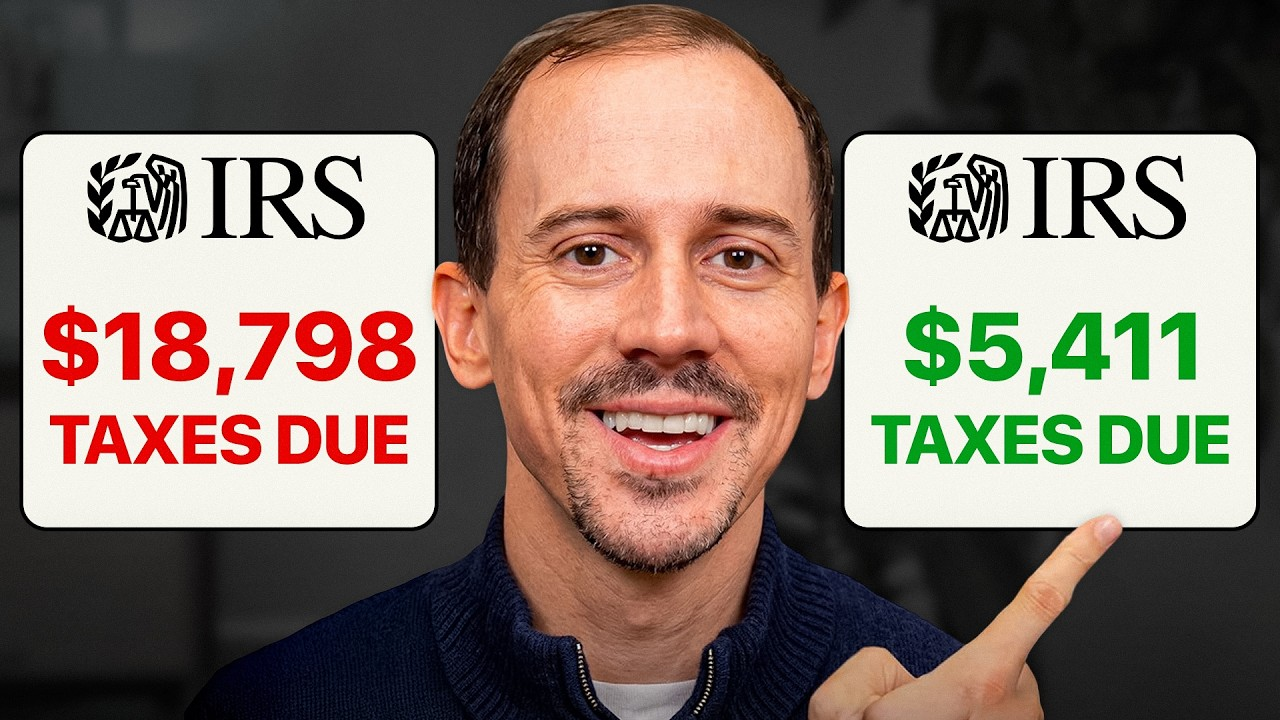
- Tax loss harvesting — when markets dip, you may be able to sell at a loss to lock in a deduction, then buy back a similar fund (while avoiding the wash-sale rule!). Up to $3,000/year can offset ordinary income, and losses carry forward indefinitely
The first six steps build the wealth. The next four protect it.
Step 7: Build a Moat Around Your Portfolio
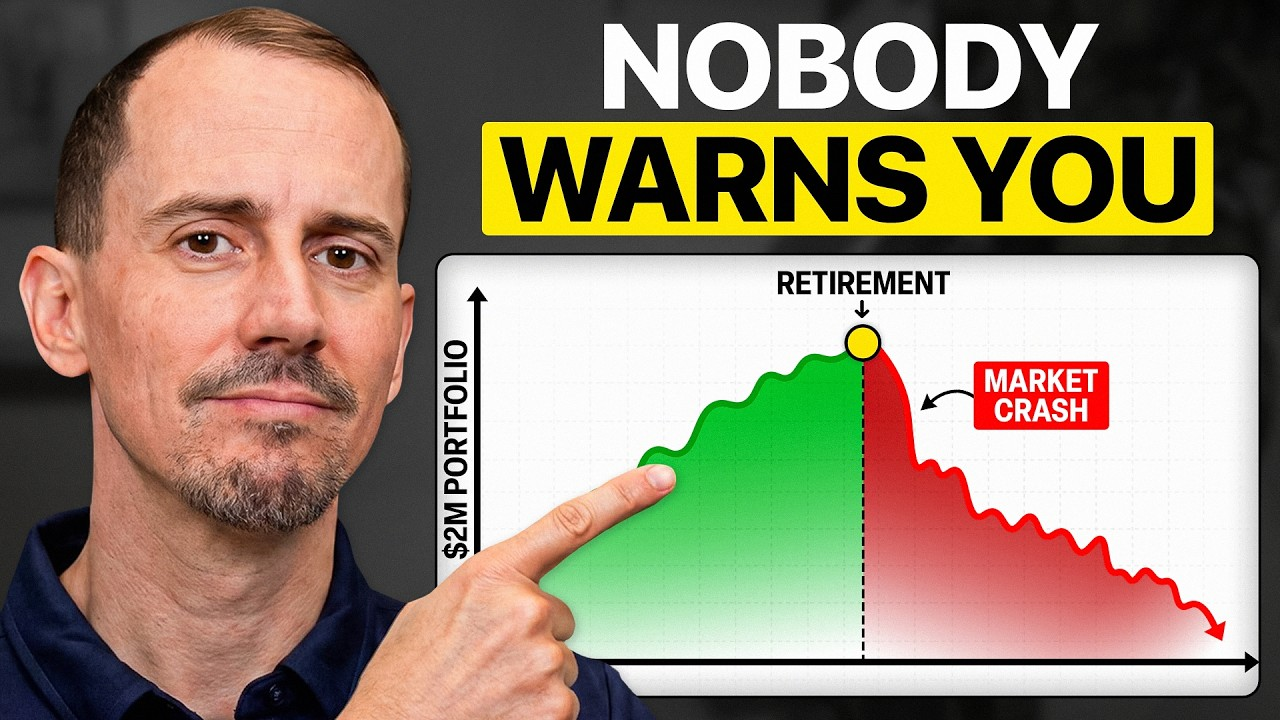
Stocks are great for long-term returns but unreliable in the short-term — they drop 10% at some point most years, and 20%+ every few years on average. One solution: before retiring, set aside 5–8 years of spending in stable investments like bonds or CDs. This "moat" means a 2008-style crash may not derail your retirement or force you to sell growth assets at the worst time.
Step 8: Define Your Identity Before You Retire
Three years out, start answering the question most people ignore: Who am I when I'm not working? One client kept running his car wash well into his 70s — not because he needed the money, but because he'd never figured out what came next. Write down your values, your goals, what matters to you. Start living that new you in a concrete way. The transition into retirement is as much psychological as financial.
Step 9: Plan for Healthcare
Retiring before 65 means bridging the gap to Medicare on your own. Options include a spouse's employer coverage, COBRA (up to 18 months), a bridge plan from your own employer, private insurance, or ACA marketplace plans on healthcare.gov. If your income is under $64k in 2026, federal subsidies can save thousands on premiums. Budget carefully — a married couple might pay $26k in a healthy year, or $40k+ if serious medical care is needed.
Step 10: Plan for What Could Go Wrong
Write it down. What will you do when markets drop 20%? (And they will.) Having a documented plan — what advisors call an Investment Policy Statement — eliminates panic-driven decisions in the moment. Define your allocation, your risk tolerance, and your response to setbacks in advance. Revisit it regularly. When the downturn actually comes, you'll already know exactly what to do.
Early retirement isn't reserved for the lucky or the extreme. It's available to anyone willing to build a system and follow it. These 10 steps are that system.