March 8, 2026 | Jonathan Bird
I recently told a couple with $2.4 million that they weren't ready to retire. It had nothing to do with their account balance. It had everything to do with a lie they still believed about their money.
Most retirement advice focuses on accumulation — building assets up. Retirement failures happen during decumulation — spending them down. That's when the rules change, the strategy should change, and most people don't update their thinking. Three lies keep them stuck. Here's what they are, and what to do instead.
Lie #1: If I Hit the Right Number, I'm Good to Go
A number doesn't tell your money how to fund your lifestyle. It doesn't tell you how much you can safely spend, how to sequence your withdrawals, or how to avoid paying unnecessary taxes. Net worth is a tool. It is not a plan.
The best cautionary tale I can offer is a client named Nick who retired with over $2 million six years ago. His strategy was to invest entirely in high-yield income-producing assets — generating 8 to 9% yields — and either spend the income or reinvest whatever he didn't need. Sounds reasonable. The problem was that while the yield looked attractive, the underlying asset prices were quietly declining each year. His actual return was closer to 3 to 4%. Meanwhile, because he was generating far more income than he actually needed to spend, he was paying unnecessary taxes on the excess — year after year.
He kept telling himself 8 or 9% was a great return. He was spending down his portfolio far faster than he realized, without a plan to stop it.
Since we started working together, his portfolio has grown each year. He's spending the same amount, adjusted for inflation. His tax bill from the portfolio has shrunk to nearly zero. Same person, same lifestyle, dramatically different outcome — because of the plan, not the balance.
A number doesn't keep updating with your life. Two clients with identical net worth can have completely different retirement outcomes depending on how well they've thought through how their money actually needs to work. Hitting the target gets you into retirement. A plan is what keeps you there.
Lie #2: One More Year Will Make Me Feel More Comfortable
This lie is particularly dangerous because it's rarely spoken out loud. It just quietly shapes decisions — and because it goes unverbalized, it goes unchallenged.
The reasoning feels logical: an employer paycheck feels safe, the stock market feels uncertain, and delaying the decision takes the immediate pressure off. So people set a savings target with the belief that reaching it will finally reduce their anxiety. But then they reach it — and the anxiety is still there. So the goalpost moves. First it was $1 million. Then $2 million. Then $3 million. The number keeps changing because the number was never the actual problem.
What's really happening is that most people know how to work for their portfolio — how to contribute, how to invest for growth — but haven't figured out how to make the portfolio work for them. That transition is largely psychological, driven by 30 years of ingrained saving habits that don't just switch off.
The most sobering version of this I've ever encountered came from a nurse who cared for terminally ill patients. One of them — a man named John — had been financially able to retire in his 50s. His wife Margaret wanted to. He kept saying not yet. Year after year. She begged him. After 15 years of begging, he finally promised: one more year. Three months into that final year, Margaret was diagnosed with terminal cancer. Nine months later, she was gone.
He got what he wanted — more time working. What he gave up was irreplaceable.
Working longer doesn't resolve the underlying uncertainty. It postpones it. And the cost of postponing isn't just financial — it's the time you would have spent doing what matters with the people who matter.
What actually reduces anxiety:
First, talk through your fears with someone who will genuinely listen. Articulating what you're worried about often reveals that the concern is specific and solvable — not a vague, permanent cloud. Once it's named, it can usually be addressed.
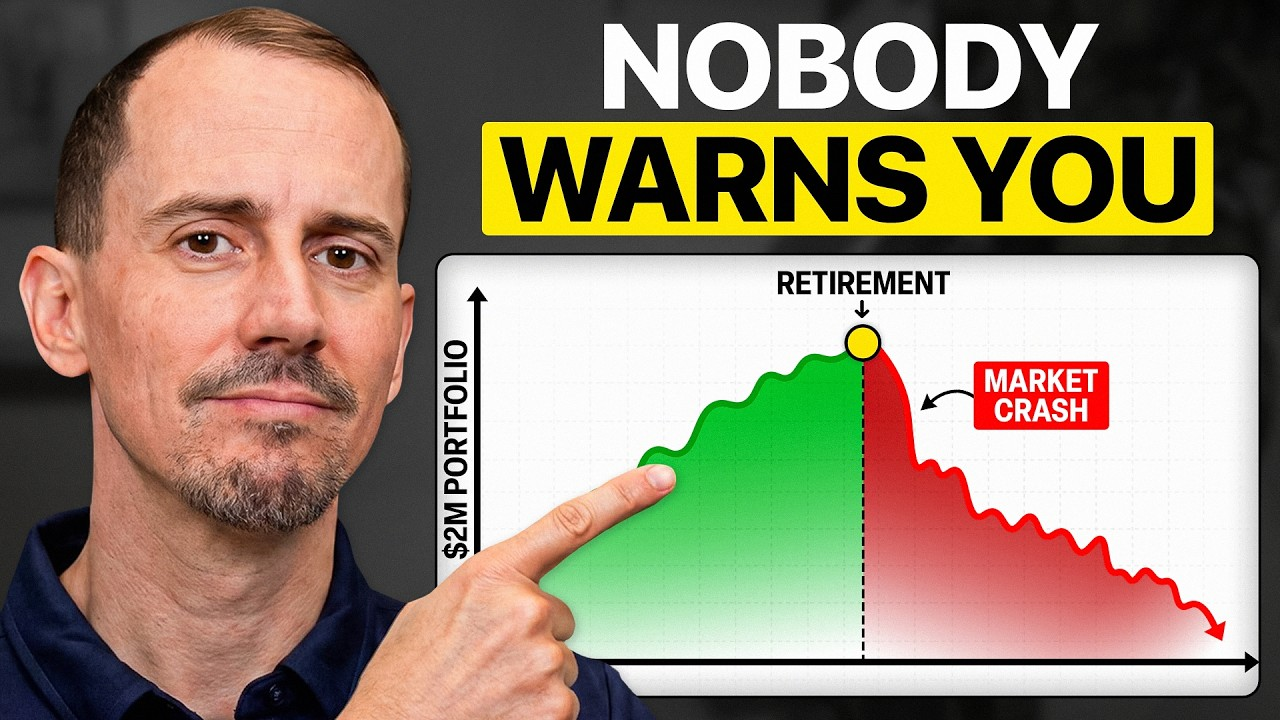
Second, build a retirement-ready portfolio. The biggest financial risk early retirees face is sequence of return risk — the market declining sharply in the first year or two of retirement, before the portfolio has had time to produce returns that offset withdrawals. This is a real and manageable risk with the right portfolio design.
Third, write down a clear roadmap. How will you handle healthcare before and after 65? When does it make sense for you to take Social Security given your portfolio size and longevity expectations? How will you address late-retirement risks like long-term care? A written plan — one that evolves over time — does more to reduce anxiety than any additional year of savings.
Lie #3: The Longer I Defer Taxes, the More Money I'll Save
This is the most dangerous lie of the three — and the one with the biggest upside if you reject it.
Here's why the lie is seductive: in isolation, it's partially true. If you're looking at a single investment, deferring taxes as long as possible does improve your after-tax return. The problem is that retirement finances don't exist in isolation. When you defer taxes long enough, you eventually lose control over the timing.
Social Security creates an income floor, a guaranteed minimum income that you can't avoid — even if you defer to 70, it eventually arrives. Required Minimum Distributions from your IRA begin at age 73 (currently) and continue for the rest of your life, adding another mandatory income floor on top. Stack these together and what happens? All that income can push you into higher tax brackets for ordinary income. Beyond that, exceeding certain income thresholds triggers net investment income tax, higher Medicare premiums through IRMAA, and potentially the alternative minimum tax.
The more you defer, the less flexibility you have — and the steeper the tax curve gets later in retirement.
What opens up when you abandon this lie is genuinely valuable. In the lower-income years of early retirement — before Social Security and RMDs kick in — there's often a window to recognize long-term capital gains at 0% tax and to convert pre-tax retirement funds into Roth accounts where they can grow tax-free for the rest of your life, and pass to heirs tax-free as well.
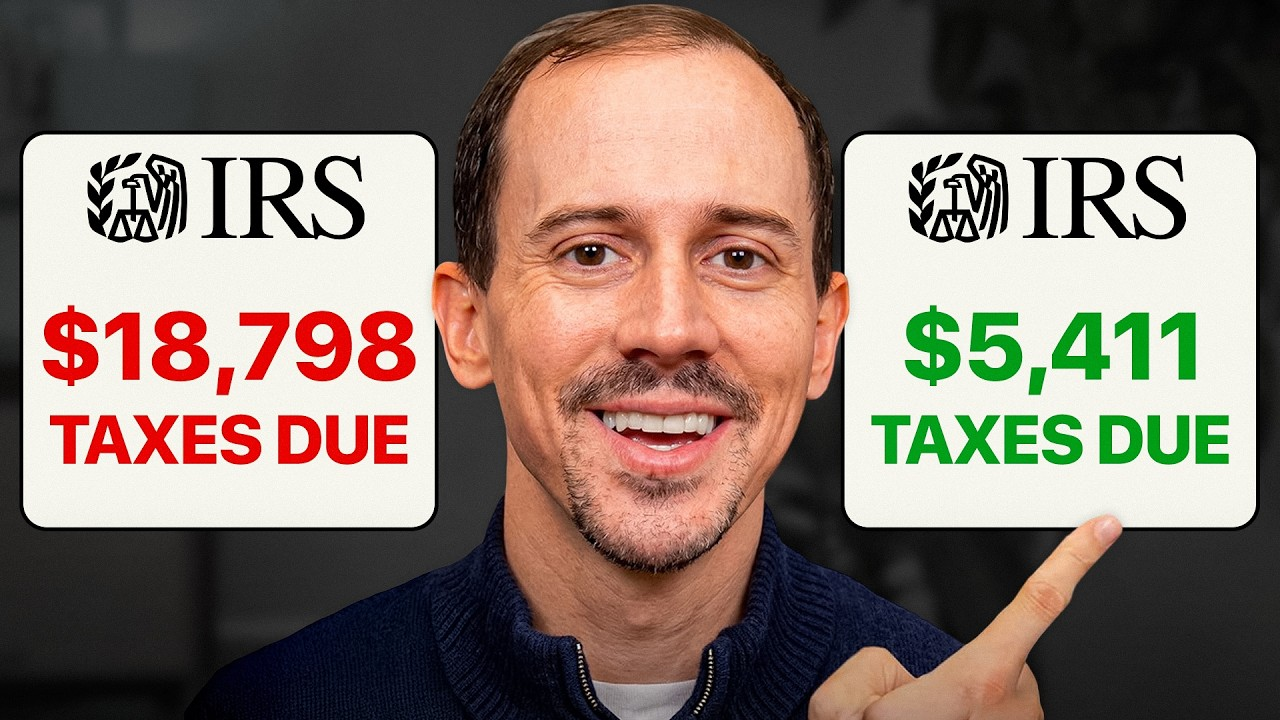
I love barbecue so I think of it like this: Low and slow is best. Deferring everything as long as possible creates a steep curve — low heat early, then super high heat at the end that ruins the meat. Spreading income recognition thoughtfully across retirement — going low and slow — can meaningfully reduce your lifetime tax bill, potentially in the hundreds of thousands of dollars, and leave more available for your lifestyle or your heirs.
All three lies come from the same underlying assumption: that retirement is a finish line. It isn't. It's an ongoing process. Solving one problem reveals the next. Life changes, goals change, and new obstacles emerge. The plan that works at 62 needs to evolve by 70. What separates the retirees who thrive isn't the size of their portfolio — it's whether they're treating retirement as something to be managed, not just reached.