March 03, 2026 | Jonathan Bird
A client of mine retired with $2.8 million and called me three months later in a panic. He'd hit his number, retired at 62, and had a trip to Norway planned to see the northern lights. He should have been thrilled. Instead, he was checking his portfolio four times a day, and every market dip sent him spiraling into regret.
The problem wasn't his money. It was his frame of mind.
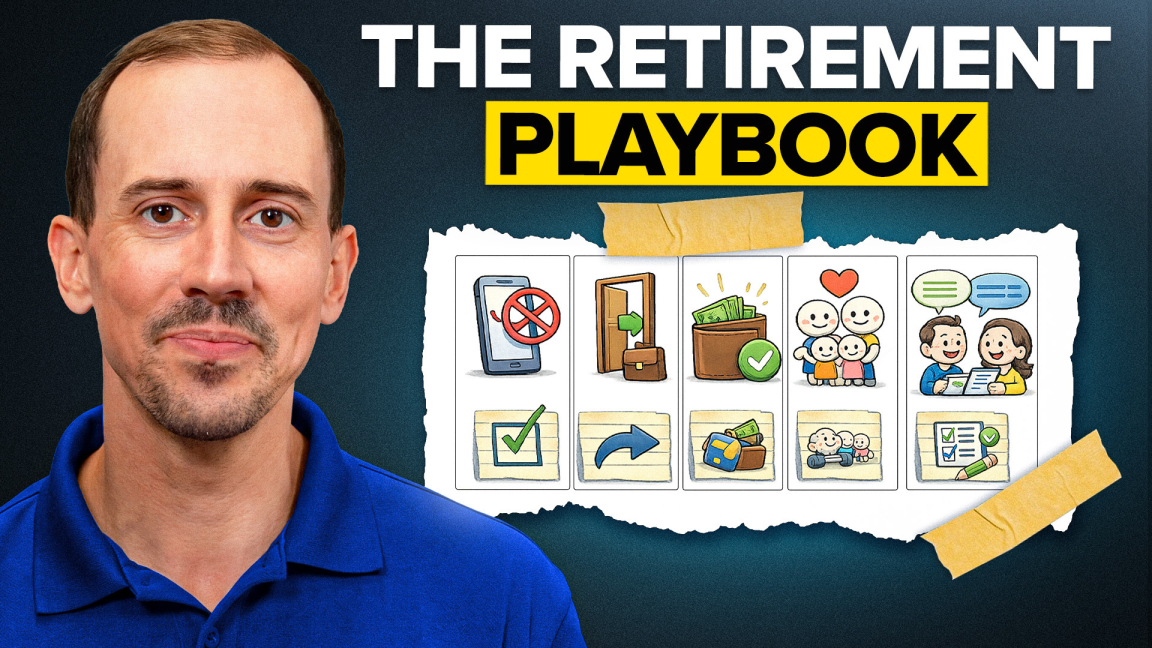
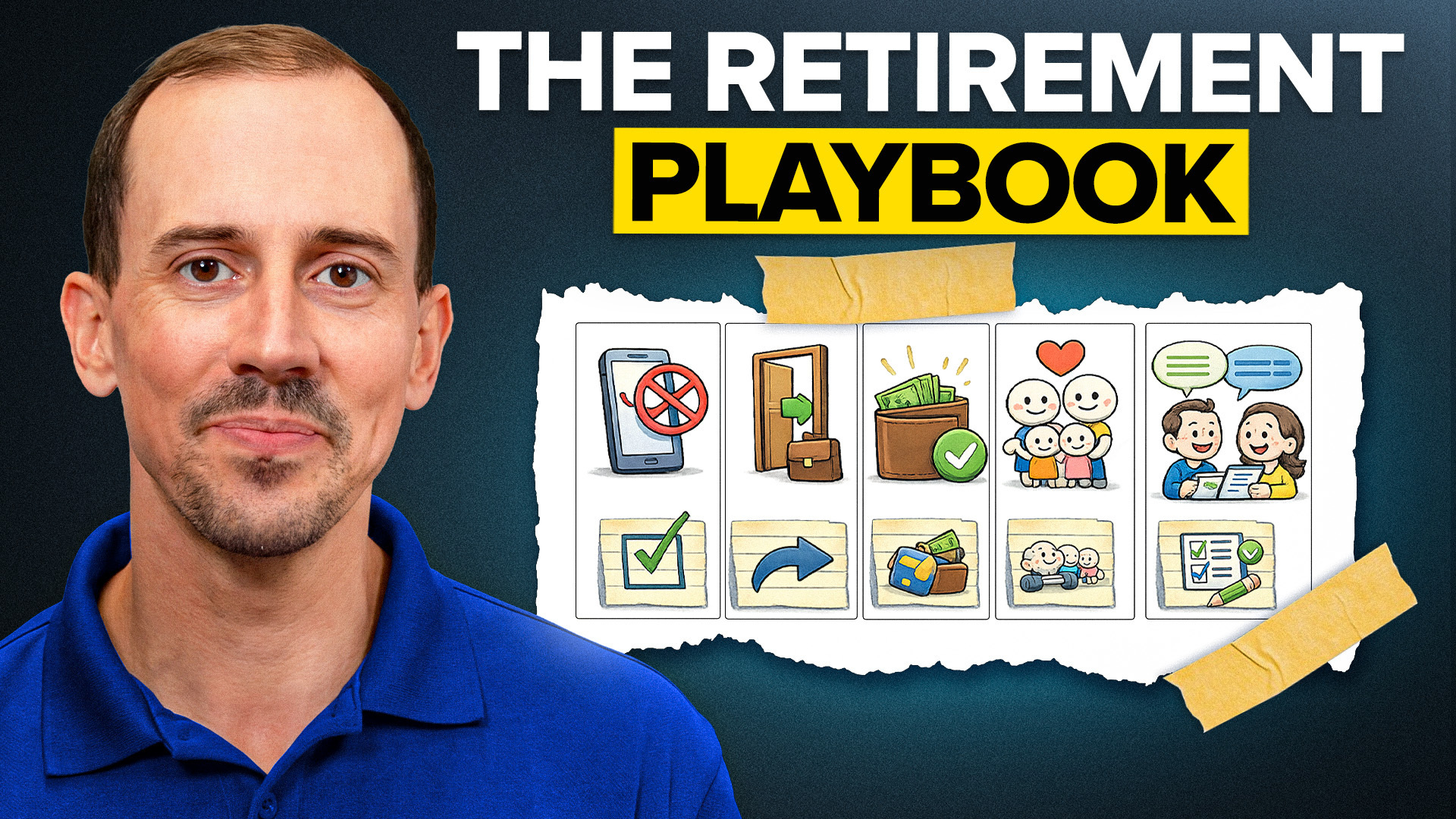
After 12 years advising retirees, I've noticed that the happiest ones aren't the wealthiest or the luckiest. They simply behave differently. Here are the seven habits that separate the retirees who love their retirement from the ones who are just waiting for it to end.
1. They Don't Constantly Check Their Portfolio
Not daily. Not weekly. Often not even monthly.
This is underrated but critically important. The more often you check your investments, the more fluctuation you see — and the greater your perception of risk and loss. We're all wired for loss aversion: a dollar lost feels worse than a dollar gained feels good. And when we perceive losses, we feel compelled to act. In investing, that impulse is almost always counterproductive.
Ben Graham — Warren Buffett's mentor — captured this perfectly in his parable of Mr. Market. The market is like a manic-depressive man who shows up daily with prices driven by emotion, not logic. His job is to serve you, not guide you. You can ignore him almost entirely, and only engage when it actually makes sense to act.
I tested this with a client named Pat who was checking his portfolio multiple times a day and calling me every time something moved. I asked him to try an experiment: remove the Schwab app from his phone entirely and not check for a full quarter. He agreed. Three months later, we looked together. His portfolio had grown — and during that same period, the market had dropped over 12% and fully recovered. He missed all of it. No stress, no bad decisions, no worse off for it.
If anxiety is driving you to check constantly, the simplest fix is removing easy access. Delete the app. Remove the bookmark. Out of sight, out of mind.
2. They Retire Into Something, Not Just From Something
The happiest retirees don't just stop being a doctor, lawyer, or engineer. They step intentionally into a new identity — as a grandparent, volunteer, mentor, or community figure. Retirement removes the structure that work provided, and without a replacement, that void can quietly erode wellbeing.
One client named Ron had the best possible motivation to figure this out: his wife told him she didn't want him sitting around the house all day. So he asked himself what he actually wanted to do. He landed on chauffeuring seniors from a local center to weekly activities — the casino, the zoo, bingo nights. What he found surprised him. He got more out of it than the people he was serving. When he showed up, they lit up. He was the best part of their week. And that sense of purpose became the best part of his.
3. They Give Themselves Permission to Spend
This doesn't get talked about enough. The psychological transition from accumulating wealth to drawing it down is harder than most people expect. Income that appears in your bank account feels easy to spend. Selling an asset you've held for decades to fund your lifestyle feels wrong — even when the math says it's exactly right.
I've started sending clients a simple refrigerator magnet. It reads: "After working 30+ years, I am giving myself permission to spend. I'm no longer working for my portfolio. My portfolio is working for me." Then they sign it.
One client — an aerospace engineer of 40 years — couldn't bring himself to join the golf club he'd wanted in Scottsdale. He filled out the magnet, put it on the fridge, and looked at it every morning. He joined the club.
A practical complement to this: automate a monthly "retirement paycheck" that moves directly from your investment accounts into your bank account. It mirrors the pattern you had during your working years and makes spending feel natural rather than like a departure from everything you've built.
4. They Direct Their Money Toward What Actually Matters
The happiest retirees aren't accumulating for its own sake. They're using money as a tool to deepen relationships and create experiences with the people they love.
One client named Joan — in her early 80s, with a husband already living with dementia — had a clear-eyed sense that time with her family was finite. She wanted to convert her savings into memories while she still could. So she chartered a private plane from LA to Hawaii for her entire family. Over 10 people. The trip cost around $200,000. Objectively an extraordinary sum. But she wasn't spending recklessly — she was spending intentionally, on something her children and grandchildren will carry for the rest of their lives.
The question worth asking isn't how much you're spending. It's whether what you're spending on reflects what actually matters to you.
5. They Stay Engaged — Mentally, Physically, and Socially
The research on blue zones — regions of the world with unusually high concentrations of centenarians — points to three consistent factors: eating well, staying active (not strenuously, but consistently), and maintaining strong social connections and community.
The contrast I've seen in practice is stark. I've worked with couples who isolated themselves entirely — no friends, no family visits, just the news cycling in the background all day. Every conversation was about how miserable the world was. Eight years later, that pattern hasn't changed. It still stands out to me as one of the clearest examples of what I want to avoid in my own retirement.
Whether it's learning a language, joining a pickleball league, or simply committing to regular time with friends and family — staying engaged is one of the highest-return investments a retiree can make.
6. They're Proactive About Their Health
This shows up in two ways: insurance planning and preventative care.
On the insurance side, it means thinking ahead — what coverage bridges the gap before Medicare at 65, whether Medicare or Medicare Advantage makes more sense afterward, and how to address the long-term care question. For anyone who reaches 65, there's roughly a 70% chance of eventually experiencing a long-term care event — typically lasting around 2.5 years for men and 3.5 years for women. That's not a remote risk. It's a planning variable.
On the preventative side, one client in Southern California does an annual cardiac scan as part of his physical. Last year it caught a major partial blockage. He had preventative bypass surgery and was back on his bike the following week. Most people only encounter bypass surgery after a heart attack. He addressed it before one ever happened.
Nobody is arguing for obsessing over your health, rather treat it as the asset it is.
7. They Plan With Their Spouses — Early and Often
This is the habit most people avoid, and the one that most determines whether retirement feels like a shared adventure or a quiet source of tension.
It means talking about expectations — what each person needs, what's working, what isn't — and revisiting those conversations as life evolves. It also means having honest conversations about money: are we spending in a way we're both comfortable with? Are there areas where we're under- or overspending?
The most pointed example I've encountered involved a client who, after several meetings, disclosed that she'd been keeping a separate savings account her husband didn't know about. Her reasoning: she wanted to travel and spend in retirement, but worried he would burn through their savings too fast. So she'd been quietly building a buffer. She asked me not to tell him.
As a fiduciary, I couldn't make that promise. But I could facilitate the conversation she'd been avoiding. Once her actual concern — running out of money — was on the table, there was room for compromise. The fear wasn't irrational. It just needed a conversation, not a secret account.
Retirement is a shared experience. Treating it like one is one of the most consistently powerful habits I've observed.
Retirement success isn't about doing everything perfectly. It's about building habits that serve you well in this new chapter. In my experience, these seven habits will do more for your retirement than your net worth ever could. Some of the happiest people I know have the smallest portfolios. The difference was never the money — it was how they lived.