April 11, 2026 | Jonathan Bird
How Much Do You Actually Need to Retire? It Depends on Three Things.
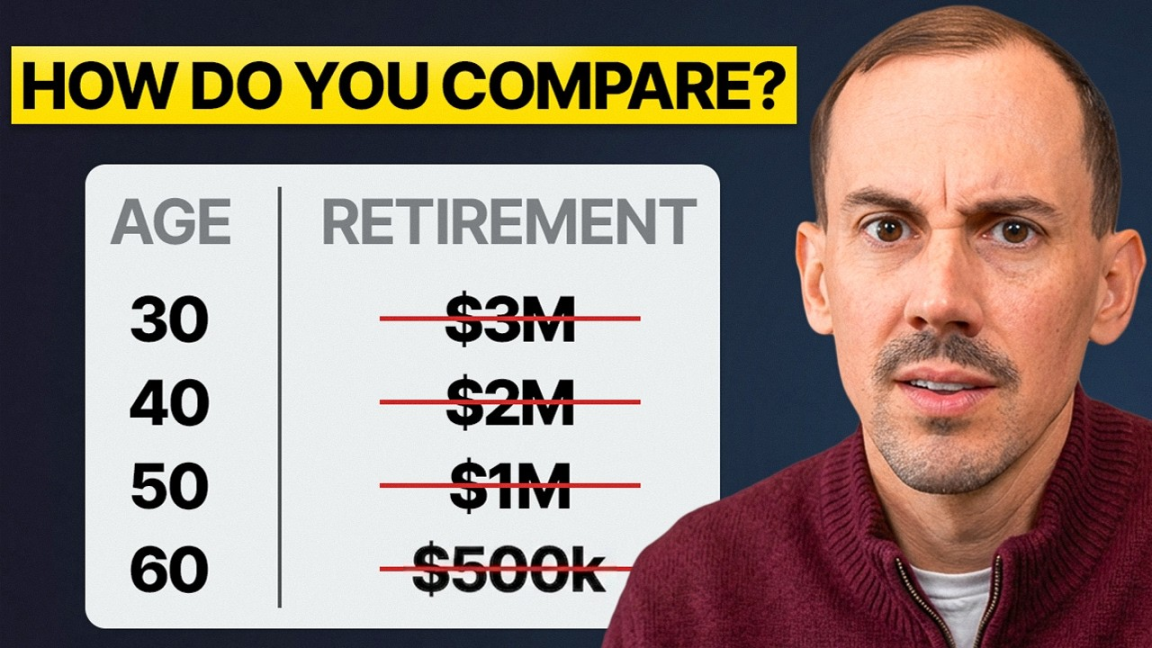
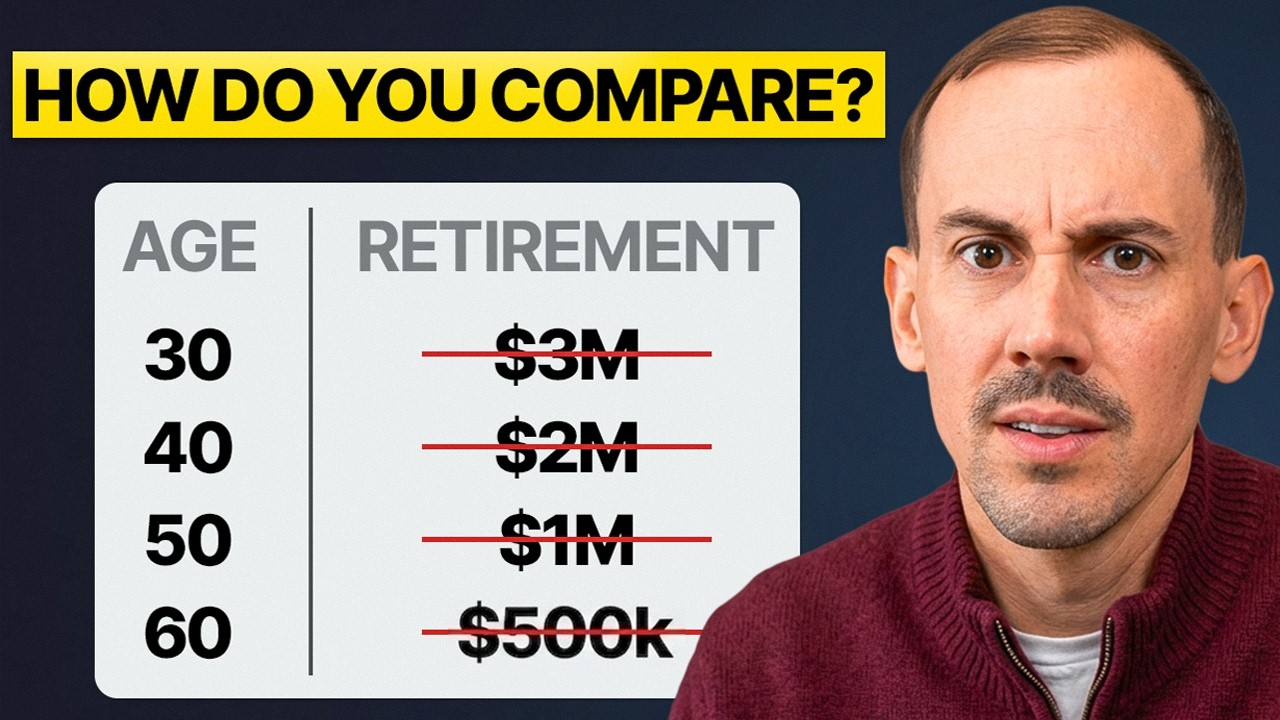
At 55, you need $2 million to retire. At 60, you need $1 million. At 65, you need $500,000. Actually, all of those are myths. Anyone telling you how much you need to retire is making assumptions about you — and those assumptions may have nothing to do with your actual life.
After 12 years advising clients through retirement, here's what I've found: the right number isn't a universal figure. It comes down to three factors. Get those right, and everything else follows.
The Three Factors That Actually Determine Your Number
1. How much do you want to spend?
Not what most people spend. Not what your friends spend. What you want to spend, based on your lifestyle, your preferences, and your non-negotiables. Some clients want $50,000 a year. Others want $250,000. There's no right or wrong answer — but that single variable produces wildly different portfolio targets. Most people nearing retirement have never actually sat down and mapped out what their ideal retirement will cost. They guess, or they fill out a questionnaire that spits out an answer. That's not a plan. That's a coin flip.
2. How long will you be retired?
This is a function of two things: when you retire, and how long you live. Retire at 55 and live to 90 — that's a 35-year retirement, longer than most careers. Retire at 65 with the same life expectancy and it's a 25-year retirement. Completely different math. Most people underestimate this. I've seen clients plan for 20 years and live 30 — and that doesn't just become a planning problem. It becomes a nightmare.
3. How much do you want to leave behind?
This is the factor most people forget entirely. Do you want to leave your kids $100,000? A million? Nothing at all? The client who wants to spend the last dollar on the last day needs dramatically less than the client who wants to leave behind an inflation-adjusted legacy. That one variable alone can swing the target portfolio by hundreds of thousands of dollars.
Three Real Clients, Three Very Different Numbers
The Sagellas — Retiring at 55
The Sagellas had a lower longevity expectation based on family history and current health — they were planning into their early 80s. Their home was paid off. Their spending goals were modest: around $4,500 a month for utilities, groceries, and the basics. No grand travel ambitions.
The result: they could retire at 55 with $780,000 — and still expect to leave roughly $670,000 to their heirs. No Social Security for seven years. No Medicare for ten. And they could still make it work, because their spending was modest and their time horizon, while meaningful, wasn't 40 years.
Most people assume retiring at 55 requires an enormous portfolio. It doesn't have to — if your spending goals and longevity expectations support it.
The Hendersons — Retiring at 60
The Hendersons are a different story entirely. They have excellent family history, invest heavily in their health, and are planning to live into their mid-90s. They want to spend $13,000 a month. They're retiring five years before Medicare kicks in, and because of their longevity, deferring Social Security to 70 makes strong financial sense.
The result: a starting portfolio of just under $4 million — with no legacy goal. Just enough to support three decades of high spending, cover healthcare costs before and through Medicare, and withstand potential market downturns, inflation, or higher-than-expected taxes.
Same retirement age as the Sagellas? No. But five years later with dramatically higher spending and a much longer runway — the number is in a completely different league.
The Aragons — Retiring at 65
The Aragons wanted to retire at 65, spend $10,000 a month, and leave behind an inflation-adjusted legacy for their kids and grandkids — meaning whatever they pass on should be able to buy the same amount in future dollars as it could today.
Without the legacy goal, they could retire comfortably on around $1.7 million. But once we added the inflation-adjusted legacy target and ran the numbers, the starting portfolio needed to climb to just shy of $2.3 million. That one variable — the legacy goal — added roughly $600,000 to their target. Almost the entire amount the Sagellas needed to fund their entire retirement.
That's how much a single overlooked factor can change the picture.
The Process Behind the Numbers
Knowing your target is one thing. Getting there is another. Here's the process I use with every client.
Start with the outcome, not the number. Before we talk about how much you've saved, we talk about what you want your life to look like. When do you want to retire? Where do you want to live? How much do you want to spend? From that vision, we back into what it costs — and from that cost, we back into what you need to save each month and what your portfolio needs to do between now and then. All of that goes into a written investment policy statement that anchors every decision that follows.
Translate lifestyle into actual numbers. Line by line — housing, utilities, travel, healthcare, everything. This is where most people get stuck, and where a second set of eyes is genuinely valuable. Guessing at this step undermines everything downstream.
Run the projection. We input every variable into financial planning software — income, savings, expenses, tax assumptions, market return assumptions, inflation — and build a visual picture of what the future could look like, including a margin of safety. When a client asks whether they can afford a beach house or fund a grandchild's education, I don't guess. I put it in the software and find out. That software becomes a living document that evolves as life changes.
Automate savings into the right accounts. Remove willpower from the equation entirely. Then make sure every dollar of savings is working as efficiently as possible — capturing the 401k match first, taking advantage of an ESPP if available, making backdoor Roth contributions when income limits apply.
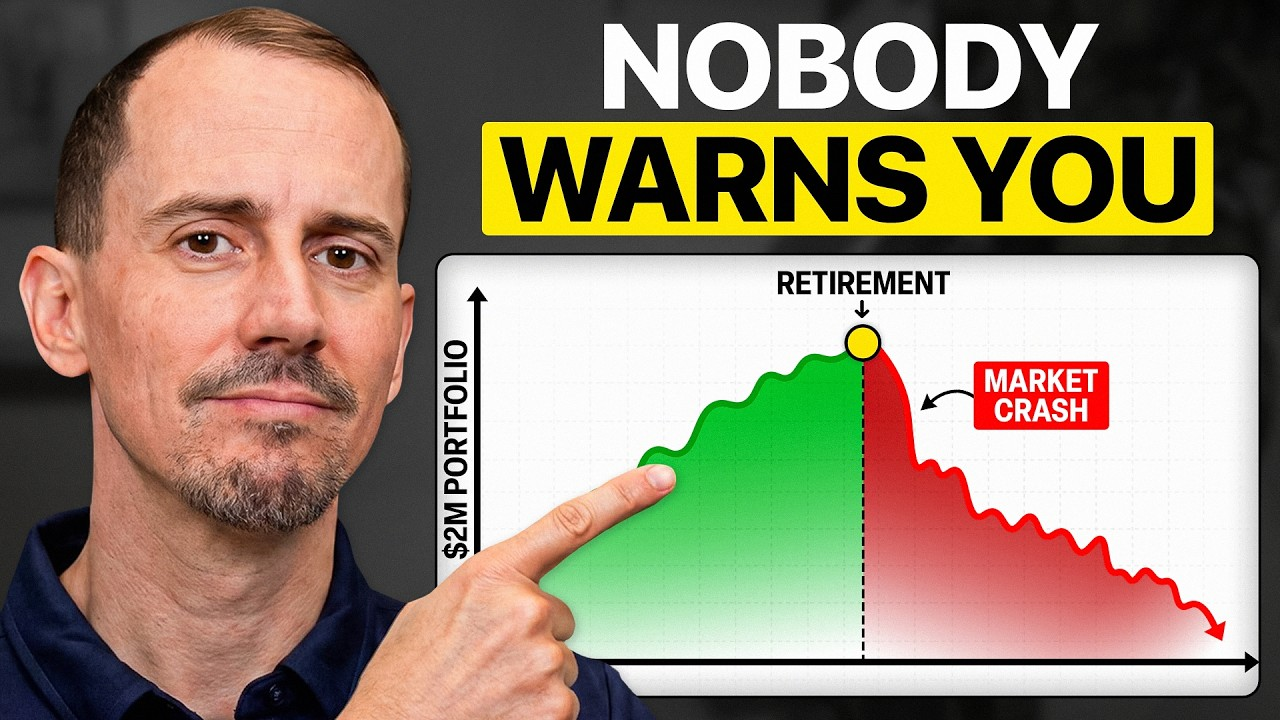
Build a retirement-ready portfolio. Index funds for the growth side — broadly diversified, low-cost, tax-efficient. As retirement approaches, start adding bonds that mature in the early years of retirement so market volatility doesn't force you to sell growth assets at the wrong time. The goal is a portfolio that can fund your lifestyle even when markets aren't cooperating.
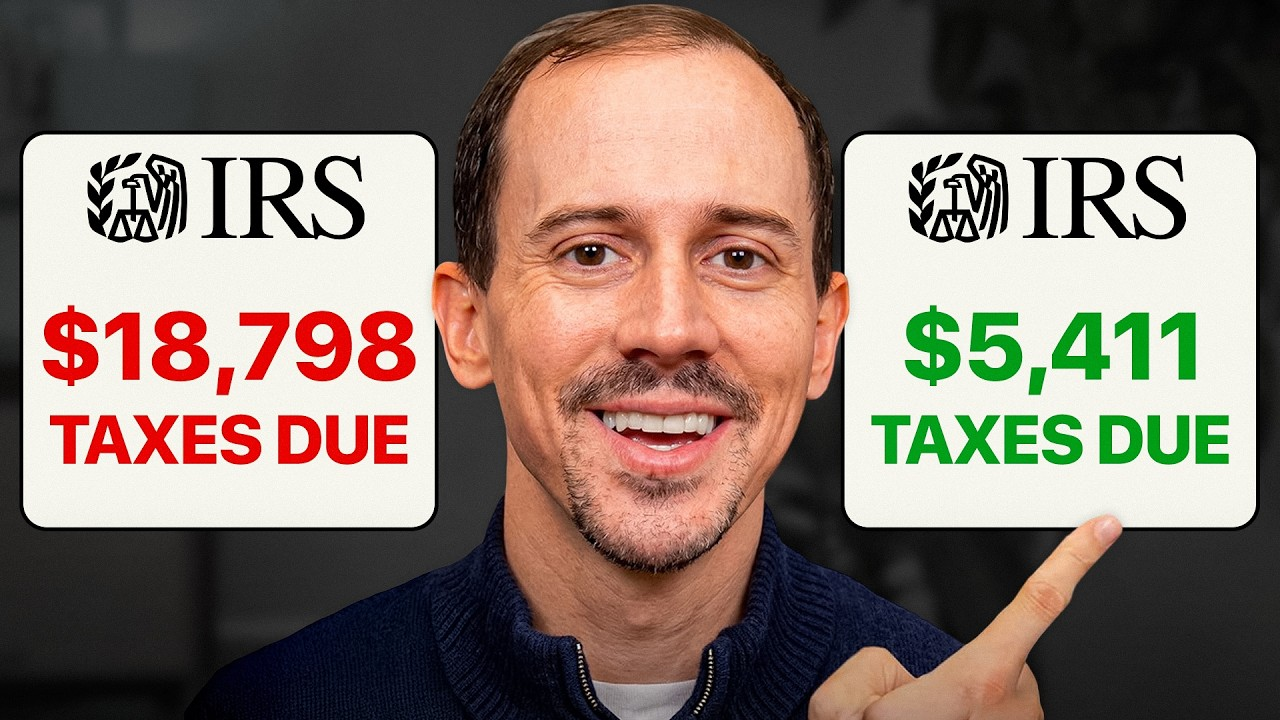
Optimize for taxes every year. Asset location, Roth conversions, tax loss harvesting — these strategies are seldom used by people managing their own finances, but over the course of a retirement they can potentially save a client household hundreds of thousands of dollars. A strong tax strategy isn't a one-time event. It's an annual discipline.
The next time someone tells you that you need a specific amount to retire, ask them what assumptions they're making about your spending, your timeline, and your legacy goals. If they hesitate, you'll have your answer.
The right retirement number isn't a myth. It's just personal — and it starts with asking the right questions.