July 11, 2026 | Jonathan Bird
The Hidden Risk That Can Destroy a $2 Million Portfolio (Even With Great Returns)
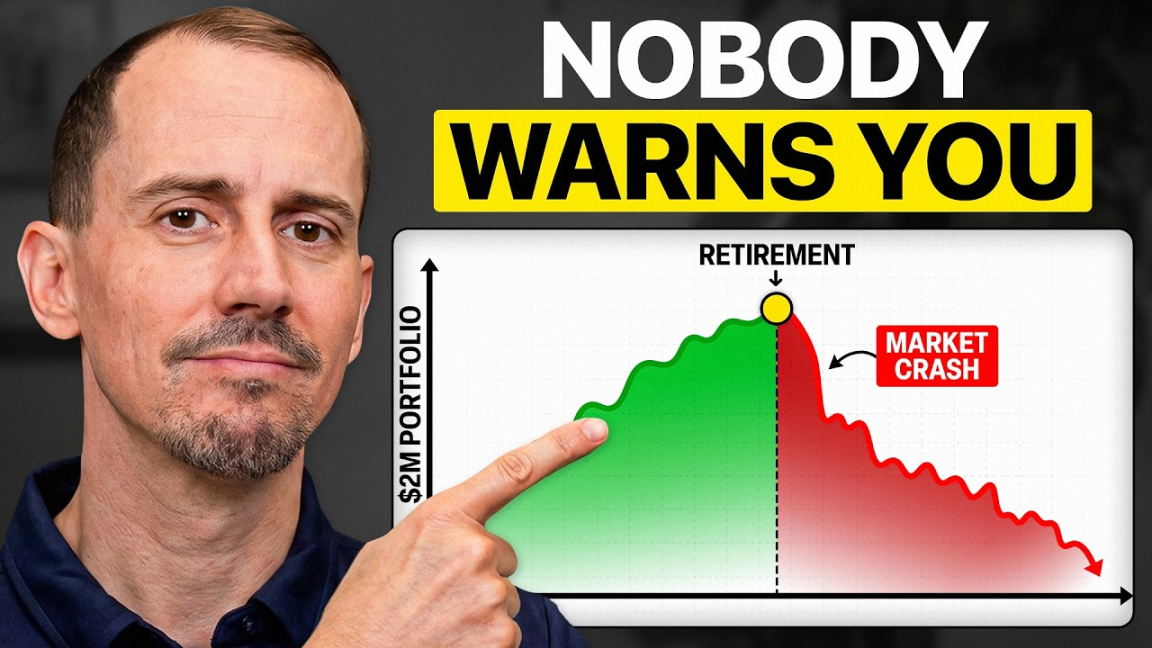
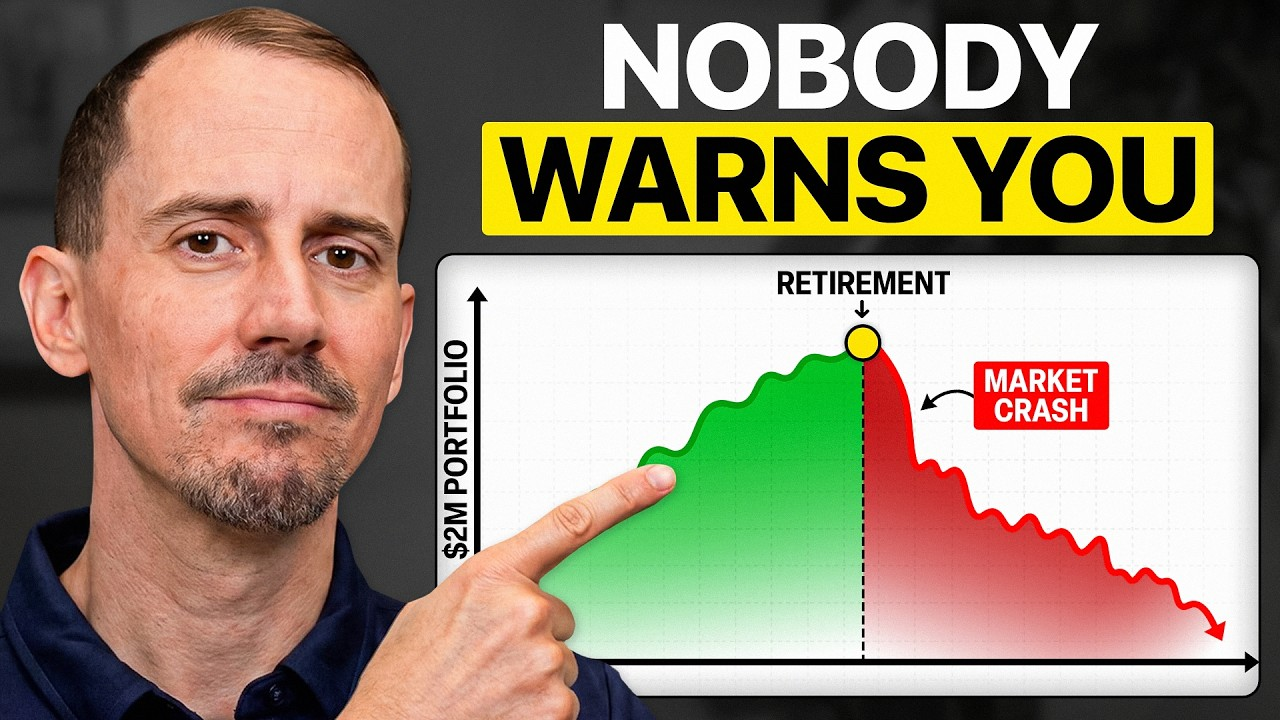
Two retirees start with the exact same $2 million. They earn the exact same average annual return over 30 years. One runs out of money. The other leaves millions to their heirs.
The only difference is the order in which those returns showed up.
That's sequence of returns risk. It's the single biggest threat to a retirement portfolio that almost nobody discusses until it's too late — and for your entire working career, you've been trained to ignore it.
Why This Risk Stayed Hidden Until Now
During your accumulation years, market downturns were buying opportunities. The market dropped, you bought more at lower prices, and you had decades to watch the recovery compound in your favor. The habit of staying disciplined through volatility built your wealth.
In retirement, that same habit becomes a threat.
Once you stop working and start drawing from your portfolio to fund your lifestyle, a market downturn no longer means you're buying cheap shares. It means you're selling them — at exactly the wrong time. Those shares are gone. They can't participate in the recovery. And the portfolio that emerges from the downturn is permanently smaller than it should have been, regardless of what the market does next.
This is why two portfolios with identical average returns can have radically different outcomes. If the bad years arrive early in retirement — when you're drawing from the portfolio before it has time to recover — the damage compounds in reverse for the rest of your life. If the bad years arrive late, when Social Security and other income sources are reducing the draw on the portfolio, the same average return leaves millions intact.
The order matters as much as the average. And nobody gets to choose the order.
How $2 Million Changes Everything
At $2 million, something shifts. Warren Buffett put it cleanly: you only have to get rich once. After that, the goal is to stay rich.
Below a certain threshold, the primary risk is not having enough. At $2 million and above, a well-structured portfolio can fund a comfortable lifestyle while continuing to grow — what I call runaway wealth. The danger is no longer scarcity. It's mismanaging what you've built due to a badly timed market.
And here's the counterintuitive part: the larger the portfolio, the greater the absolute dollar exposure to a correction. A 50% drop hits a $2 million portfolio for $1 million. The same percentage drop hits a $5 million portfolio for $2.5 million. The percentage feels the same. The damage doesn't.
The 10-Year Window That Matters Most
Sequence of return risk is most dangerous in a specific window: the five years before retirement and the five years immediately after.
Here's why those bookends matter. Historical downturns like 2008 — when stocks dropped 55% — took approximately five years to fully recover. If a crash of that magnitude hits in the years just before or just after your retirement date, the portfolio has to fund your living expenses throughout the entire recovery period. That's what creates permanent impairment.
Once Social Security begins — typically around year five or beyond for most retirees — it creates an income floor that reduces pressure on the portfolio. The portfolio no longer has to carry the full weight of your spending. That floor changes the risk profile meaningfully.
Before Social Security begins, the portfolio is entirely on its own. That's the fragile window.
It's also the easiest window to ignore. You've accumulated enough, the market may be performing well, and everything feels like a victory lap. There's no alarm bell warning you that this is the moment to change strategy. But the market doesn't announce when the next correction is coming — and the correction doesn't care when you retired.
The Castle and Moat Strategy
The defense is straightforward, though most people never implement it.
Think of your stock portfolio and real estate as the castle — the engine of long-term growth. Stocks are the right vehicle for building and sustaining wealth over time. They're just unreliable in the short run. A 100% stock portfolio going into retirement is driving 90 miles per hour with no margin for error. The moment the market drops, the speedometer becomes a liability.
The moat is what makes the castle safe. It's a precisely sized allocation of stable, income-producing assets — cash, treasury bills, corporate bonds, or municipal bonds — each with specific maturity dates timed to fund your spending needs in the early years of retirement.
Here's how the sizing works: determine how much you need to pull from the portfolio in each of the first five to seven years of retirement. Buy bonds that mature in time to fund each of those years. If you need $100,000 in 2027, a bond maturing at the end of 2026 has that money ready and waiting — regardless of what the stock market is doing.
When a downturn hits, you draw from the moat instead of the castle. The stocks recover. You never had to sell at the worst time. Your spending continues exactly as planned.
When markets are strong, the castle appreciates and you draw from the growth rather than the principal. When the moat eventually needs replenishing, you trim from the castle's profits and rebuild it.
The castle grows through retirement. The moat protects it during the volatility that's guaranteed to come — even if the timing isn't.
One Additional Layer: Flexibility
For clients who want to retire sooner or with a smaller initial balance, there's a second option that complements the castle and moat. Instead of sizing the moat to fund an unchanging lifestyle regardless of market conditions, some retirees are willing to be flexible — pulling back discretionary spending during recessions in exchange for less defensive cushion upfront.
If you'd skip the Hawaii trip during a major downturn and you're comfortable with that tradeoff, you don't need as large a moat. The spending itself becomes part of the protection. For the right person and the right plan, that flexibility allows for an earlier retirement date without sacrificing long-term security.
Sequence of returns risk is the hidden variable that separates retirements that work from those that quietly fall apart. The good news is it's entirely plannable — as long as you plan for it before the window closes, not after the market reminds you it existed.