

June 6, 2026 | Jonathan Bird
The 4 Vital Signs of Retirement Health (And the 30 Levers That Fix Them)
Most retirement advice focuses on one number: how much you've saved. But after 12 years and over 500 clients, I've found that the portfolio balance is one of the least useful things to look at in isolation. What matters is understanding four vital signs — and knowing which levers to pull when any of them are off.
The 4 Vital Signs
1. Spendable Assets
Not all assets are created equal, and the difference matters more than most people realize.
A $1 million brokerage account with $500,000 in unrealized gains isn't worth $1 million in retirement — it's worth roughly $925,000 after capital gains taxes. A $1 million traditional IRA, assuming a 25% effective distribution rate, is worth $750,000 in actual spending power. A $1 million Roth IRA is worth the full $1 million. And your primary residence? Unless you plan to tap the equity, it shouldn't count toward your retirement assets at all.
The first diagnostic is converting all your accounts into a real spendable balance sheet. Most people are working with a number that's 10–25% higher than reality.
2. Withdrawal Rate
This is the single most important factor in a retirement plan — and the one most people get wrong, in both directions.
Withdrawal rate is how much you're pulling from the portfolio as a percentage of its value. Most clients, when I first meet them, don't actually know how much they're spending. They guess from memory and guess too low. When we build a real cash flow statement line by line, the reaction is almost always the same: "I had no idea I was spending that much at the grocery store, the mall, or on Amazon."
There's no universally right withdrawal rate — only the one that's sustainable for your specific situation. Generally, a withdrawal rate that consistently exceeds your average portfolio return isn't sustainable. One that stays below it likely is. But you have to know your actual spending number to run that calculation.
3. Return Rate
The return rate isn't what your portfolio earned last year or what the market returned in its best decade. It's the average annual after-tax return your portfolio is designed to earn over time.
Two common mistakes here: people assume they'll earn the historical market average without building a portfolio actually designed to capture it. And almost nobody accounts for the behavior gap — the roughly 2% drag that the average investor experiences from buying high and selling low at exactly the wrong moments. If the market returns 10% historically, most individual investors have actually earned closer to 8%. Stress-testing your plan against returns 1–2% below your assumption tells you how much margin you actually have.
4. Time Horizon
Most people plan to their life expectancy. That's a mistake. By definition, half of people outlive their life expectancy — and running out of money at 91 because you planned for 84 is one of the most avoidable disasters in retirement.
The better question is: how long could you live, especially if you're investing in your health? Plan to that number. Then stress test by pushing it further. If the plan still holds at 95 or 100, you're in genuinely good shape.
The 4 Biggest Risks — and How to Address Each One
Risk 1: Sequence of Return Risk
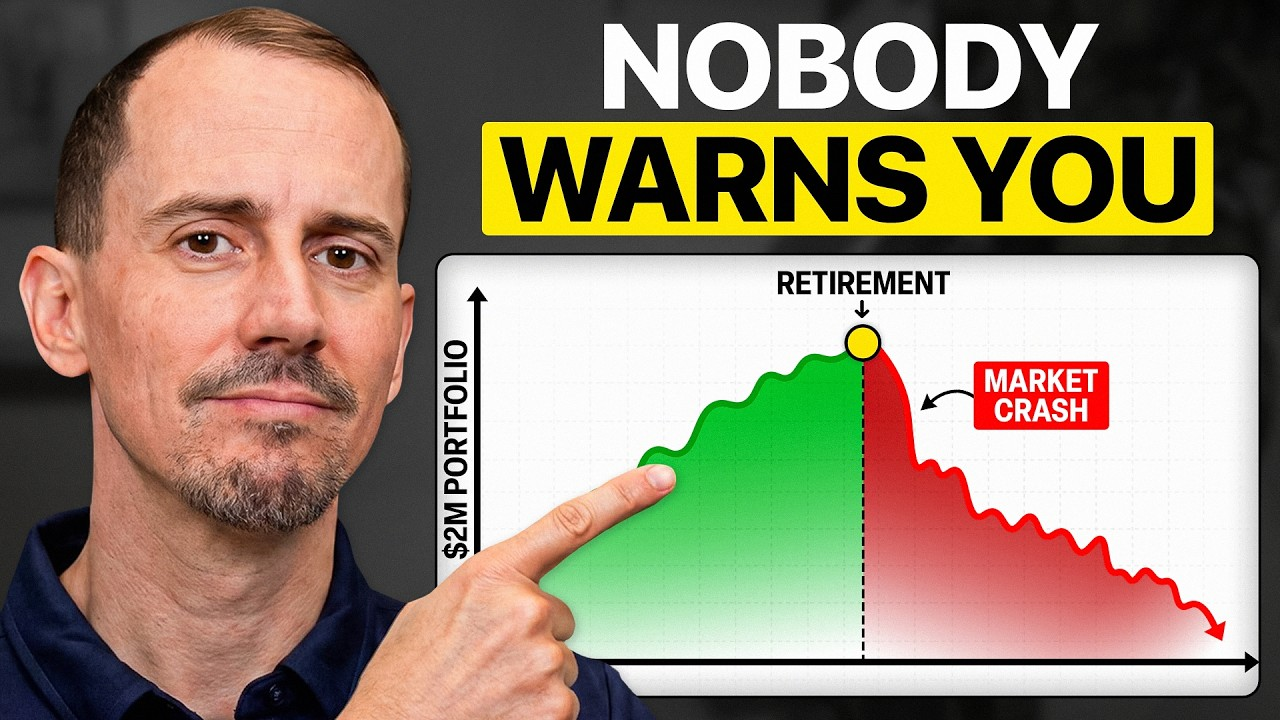
The stock market doesn't care when you retired. If you submit your notice on a Friday and the market drops 35% the following month — as it did in March 2020 — and you're pulling from a 100% stock portfolio to fund your lifestyle, you're locking in losses at the worst possible time. The portfolio that participates in the recovery is smaller than it should be, and that gap compounds in reverse for the rest of your retirement.
The primary defense we recommend is the castle and moat strategy: keep your stock portfolio (the castle) for long-term growth, and build a bond allocation (the moat) sized to cover 5–7 years of spending needs. When markets drop, you draw from the moat — stable, predictable — and let the castle recover untouched.
Layer on a Monte Carlo stress test to build margin of safety into the plan. If you need to fund $3 million in lifetime expenses, the plan should be able to support significantly more than that to absorb inflation, tax surprises, or worse-than-expected returns. We’ve found that targeting a Monte Carlo success rate of 75–85% is often the sweet spot — aiming for 100% just guarantees you'll underspend your whole life.
Then add two more tools that most people overlook entirely:
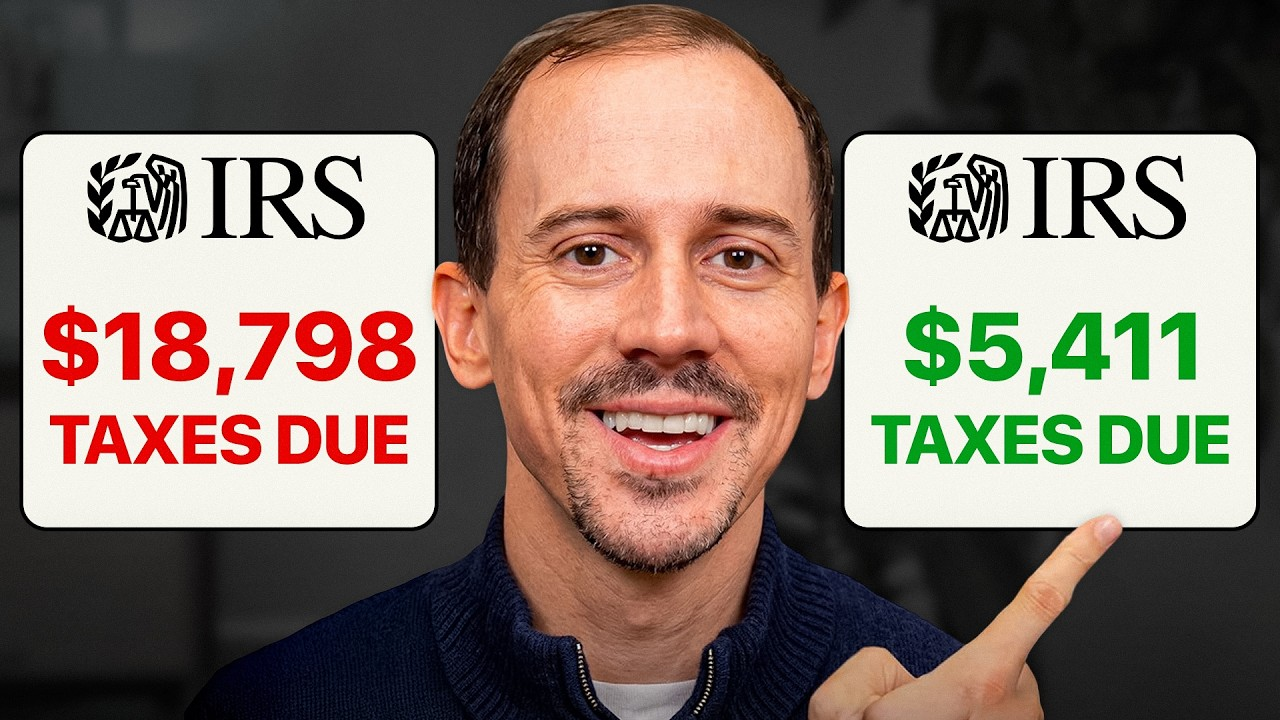
Spending order — the sequence in which you draw from your brokerage, IRA, and Roth accounts can save up to 1.1% of portfolio value per year in taxes. On a multimillion-dollar portfolio, that's tens of thousands annually.
Asset location — stocks belong in your Roth IRA first, then your brokerage account. Bonds belong in your pre-tax IRA. Owning bonds in a taxable brokerage account and paying ordinary income taxes on the interest every year isn't just inefficient — it's effectively tipping the IRS on top of your actual tax bill.
Risk 2: Inflation Risk
Even modest 3% annual inflation doubles the cost of everything in 24 years. A 30-year retirement means you'll likely need to plan for spending more than twice your starting amount by the end. Most people who think they'll "live on a fixed income" in retirement are wrong — and the misunderstanding costs them.
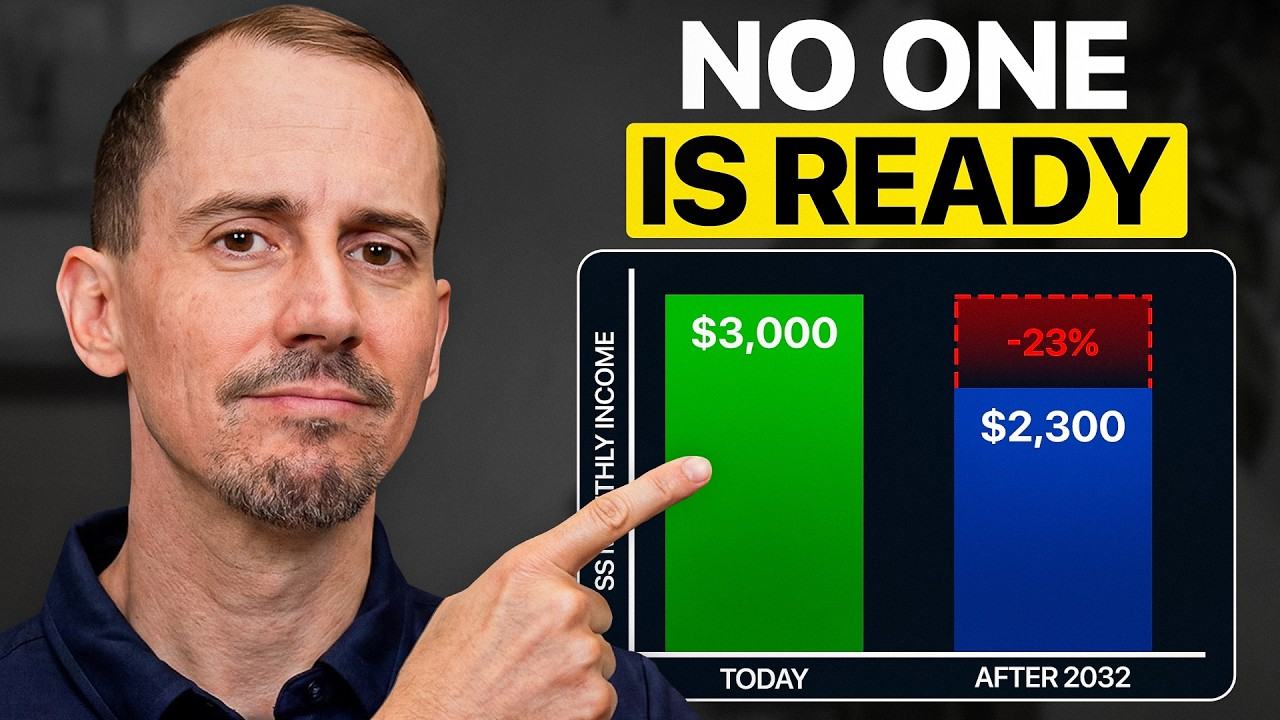
The available defenses: build a total return portfolio rather than a dividend-focused one (income-chasing creates tax drag and often sacrifices total return). Deferring Social Security — every year past 67 adds roughly 8% to your benefit for life, and that benefit is inflation-adjusted every year automatically. Consider relocating to a lower-cost or no-income-tax state if it fits your life. And consider Roth conversions in the low-income early years of retirement to lock in lower tax rates before Social Security and RMDs begin stacking up.
One mindset shift that helps: automate a monthly transfer from your portfolio to your checking account. When a specific dollar amount shows up reliably each month, spending it stops feeling like a violation of every habit you built over 30 years.
Risk 3: Longevity Risk
The average life expectancy at 65 is 84 for men and 87 for women. That's the average — which means half of people live past it. If you're in good health, have strong family history, and are actively investing in your health span, the question isn't whether you'll outlive the average. It's by how much.
Defenses: stress test your plan to age 95 or 100. Optimize Social Security timing based on your specific health picture and portfolio sustainability — the longer you expect to live, the more deferring to 70 pays off. And plan explicitly for long-term care. For anyone reaching 65, there's roughly a 70% chance of eventually having a long-term care event — typically lasting 2.5 years for men and 3 years for women. Long-term care insurance has become expensive, but hybrid health insurance policies, self-funding, and home equity (through downsizing, reverse mortgages, or selling to move into assisted living) are all legitimate tools depending on your situation.
Risk 4: Unexpected Expenses
Plans are built for the average. Averages don't include your grandchild's car, a major medical event you didn't see coming, or a home repair that couldn't wait. The plan that looks perfect in a spreadsheet can falter on a single $50,000 surprise.
Several levers are available to address this. First, maintain a liquid cash buffer as part of the moat — beyond the 5–7 years of planned withdrawals, a cash cushion for genuine emergencies provides real protection. Second, carry the right insurance: auto and homeowners are obvious, but an umbrella policy deserves attention. If your brokerage account exceeds what your home and auto policies cover, that excess is exposed in a lawsuit. A $1 million umbrella policy typically runs around $450 per year.
Third, update your homeowners insurance. Over the past decade, home values have increased dramatically — almost no one has updated their coverage to match. Fourth, update your estate documents before they're needed. A durable power of attorney, healthcare power of attorney, and will are the basics. FreeWill.com covers all of these at no cost for straightforward situations. More complex estates warrant an attorney, but don't let complexity be an excuse to do nothing.
Finally, understand what Form SSA-44 can do for you. Most people don't realize that Medicare premiums — which are income-based — can potentially be reduced by appealing to a life event: retirement, loss of a spouse, disability. This form exists specifically for that purpose and can lower premiums potentially by hundreds of dollars per month for people who qualify.
What 12 Years of Advising Has Taught Me
Making no decision is itself a decision, and it usually works in the wrong direction. Putting off questions about when to retire, how much to spend, or how to handle long-term care doesn't make those questions easier — it just means you'll answer them under pressure instead of on your own terms.
A plan isn't a document. The document becomes outdated the moment life changes. What matters is the act of planning — and updating when your circumstances, goals, or the world around you shifts. Retirement isn't a single moment. It's a series of decisions made over 20 or 30 years.
And finally: ninety-nine out of one hundred clients I've worked with aren't trying to die with as much money as possible. They want to maintain their lifestyle, avoid running out of money, and not spend their retirement stressed about either. That's a completely achievable goal — if you know which levers to pull.